Understand the science behind every peptide.
A peer-reviewed scientific database for researchers, providing rigorous chemical analysis, sequence visualization, and clinical synthesis of therapeutic peptides.
1 0.531 2.19 15.2 01
2 0.720 3.12 72.8 01
3 0.850 2.15 89.2 01
4 0.950 1.12 99.4 01 (MAIN PEAK)
Molecular Intelligence
Real-time spectral analysis engine
Explore by Research Area
Scientific pathways and therapeutic domains.
Popular Research Topics
Snap-8 (Acetyl Octapeptide-3)
Snap-8 is a topical anti-wrinkle peptide studied as a needle-free alternative to botulinum toxin for reducing expression lines.
IGF-1 LR3
IGF-1 LR3 is a long-acting analog of insulin-like growth factor 1 studied for cell growth, proliferation, and muscle tissue in research settings.
SLU-PP-332
SLU-PP-332 is a synthetic estrogen-related receptor agonist studied as an exercise mimetic for metabolism and endurance in preclinical models.
Thymalin
Thymalin is a thymus-derived peptide complex studied for immune regulation and geroprotective effects.
Cerebrolysin
Cerebrolysin is a peptide preparation studied for neuroprotective and neurotrophic effects in cognitive and stroke models.
Melanotan 1 (Afamelanotide)
Melanotan 1 is a synthetic alpha-MSH analog studied for stimulating melanogenesis and UV photoprotection.
IGF-1 DES
IGF-1 DES is a truncated IGF-1 analog studied for IGF-1 receptor signaling and cell-proliferation models.
GLOW (Peptide Blend)
GLOW refers to a research peptide blend commonly combining GHK-Cu, BPC-157, and TB-500, discussed for tissue matrix remodeling.
US Research & Premium Peptide Catalog
Extensive American research yields our core selection of authentic, high-purity peptides and verified standards.
Cellular Repair & Healing
5 productsSystemic cytoprotective peptides, angiogenic stimulators, and extracellular matrix remodelers.
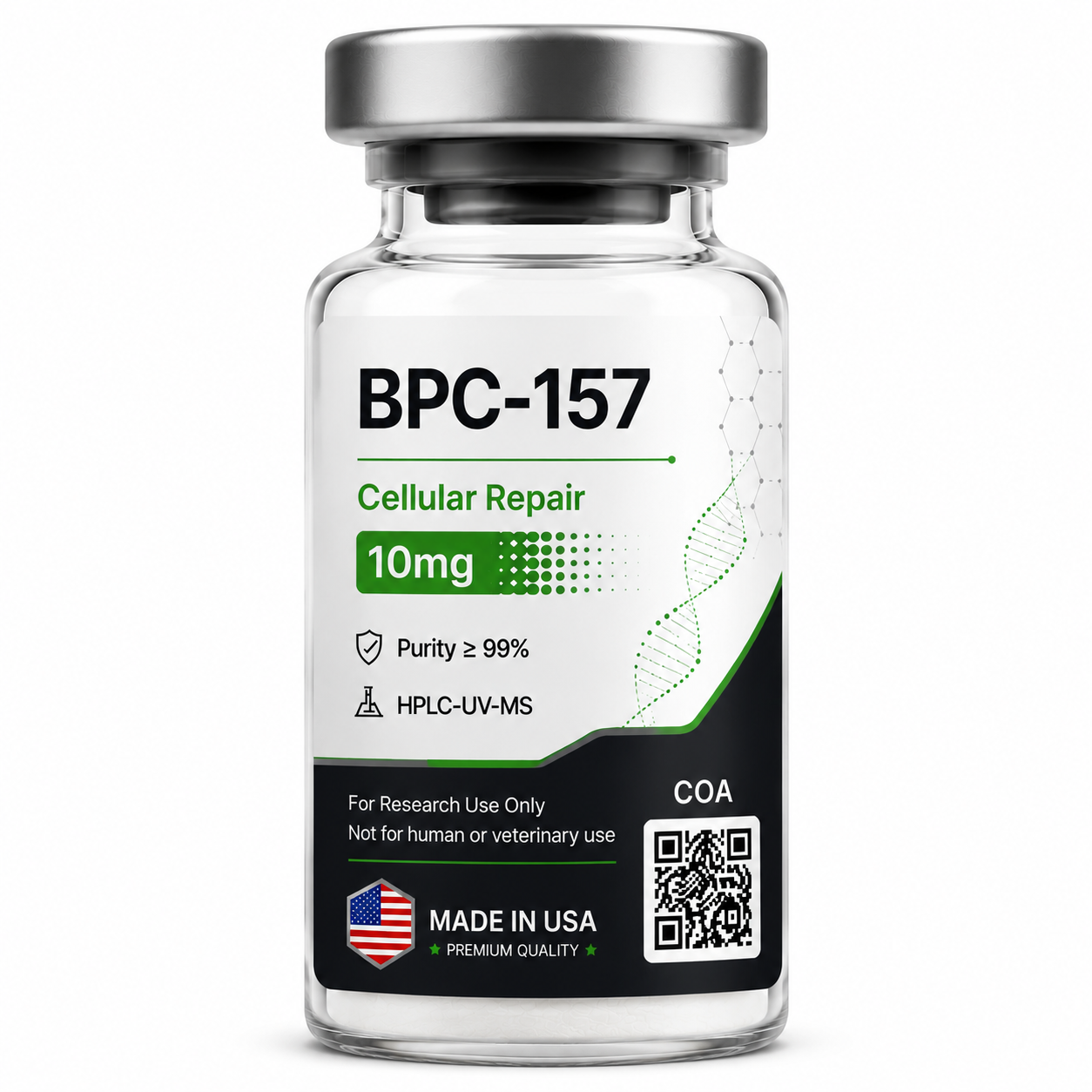
BPC-157
Body Protection Compound-157; a pentadecapeptide sequence from gastric juice.
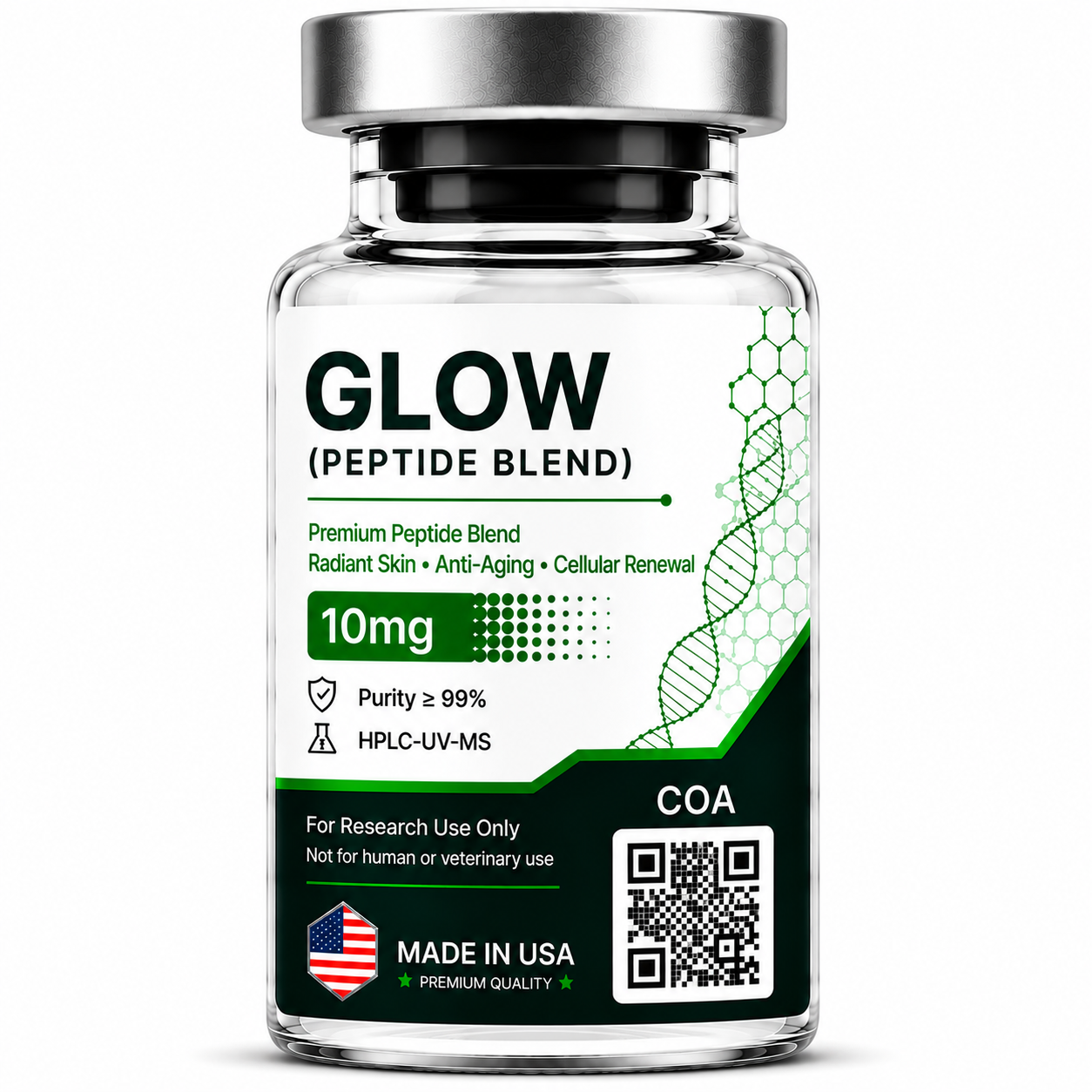
GLOW (Peptide Blend)
GLOW refers to a research peptide blend commonly combining GHK-Cu, BPC-157, and TB-500, discussed for tissue matrix remodeling.
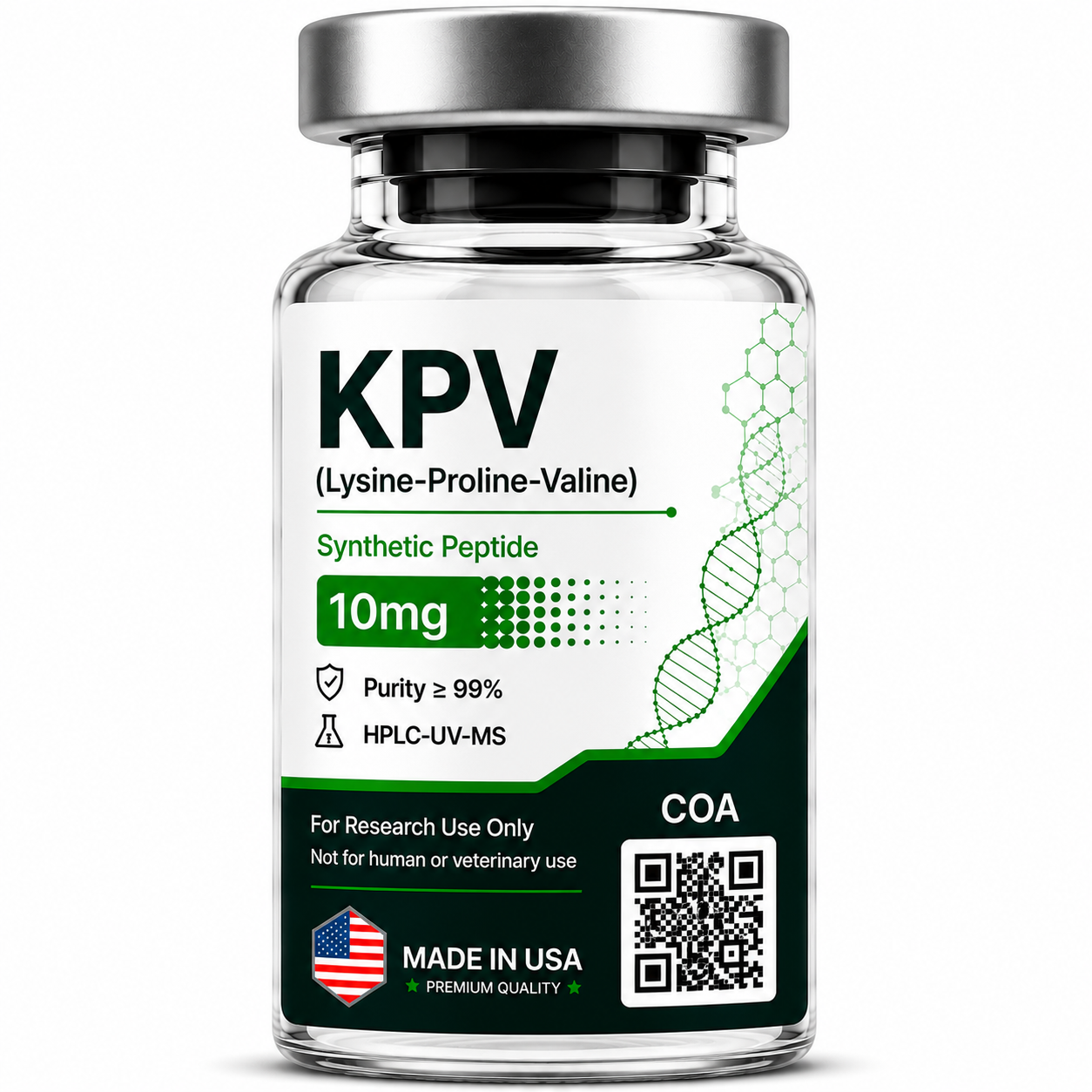
KPV (Lysine-Proline-Valine)
Tripeptide fragment of Alpha-MSH with potent anti-inflammatory properties.
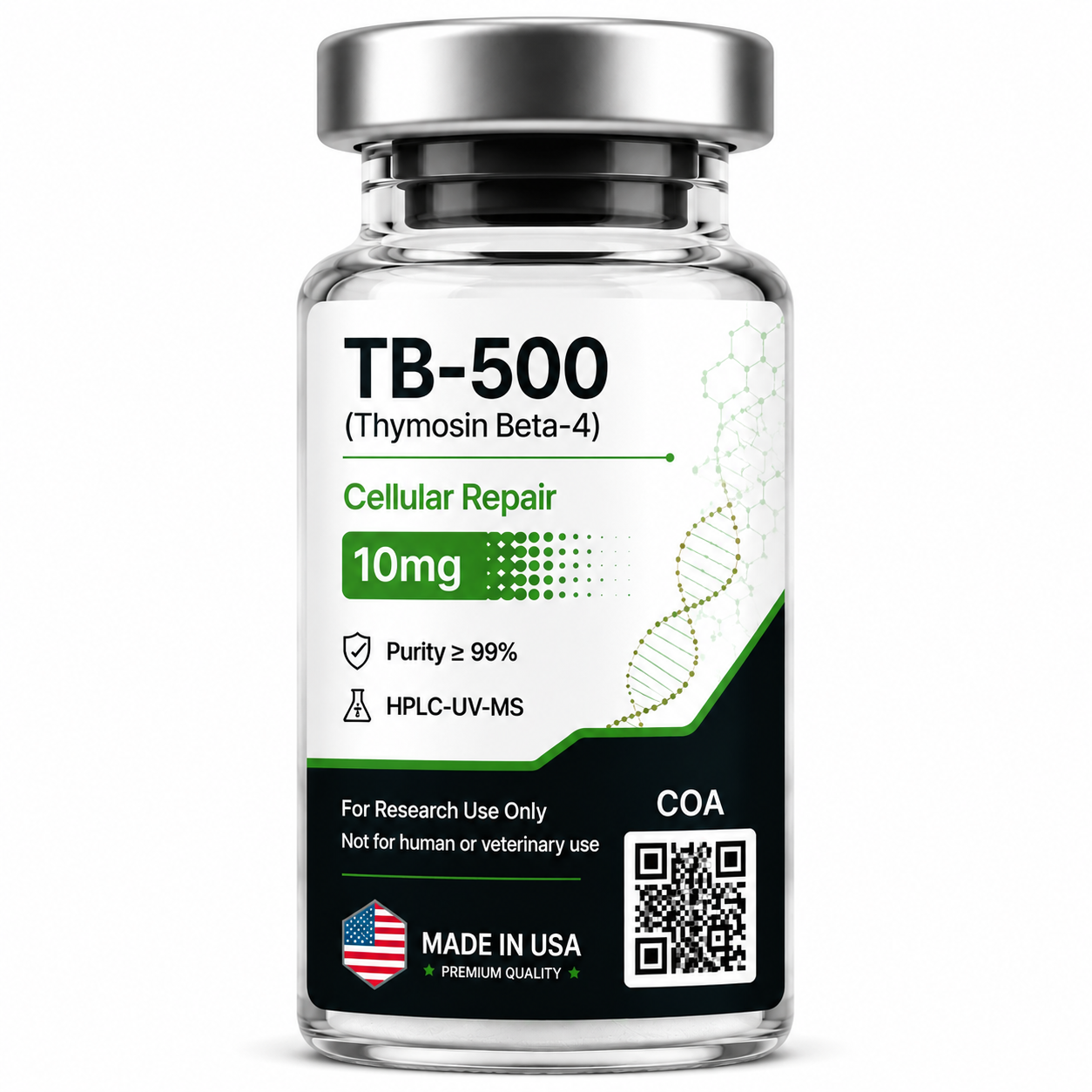
TB-500 (Thymosin Beta-4)
Synthetic variant of the active domain of Thymosin Beta-4 peptide.
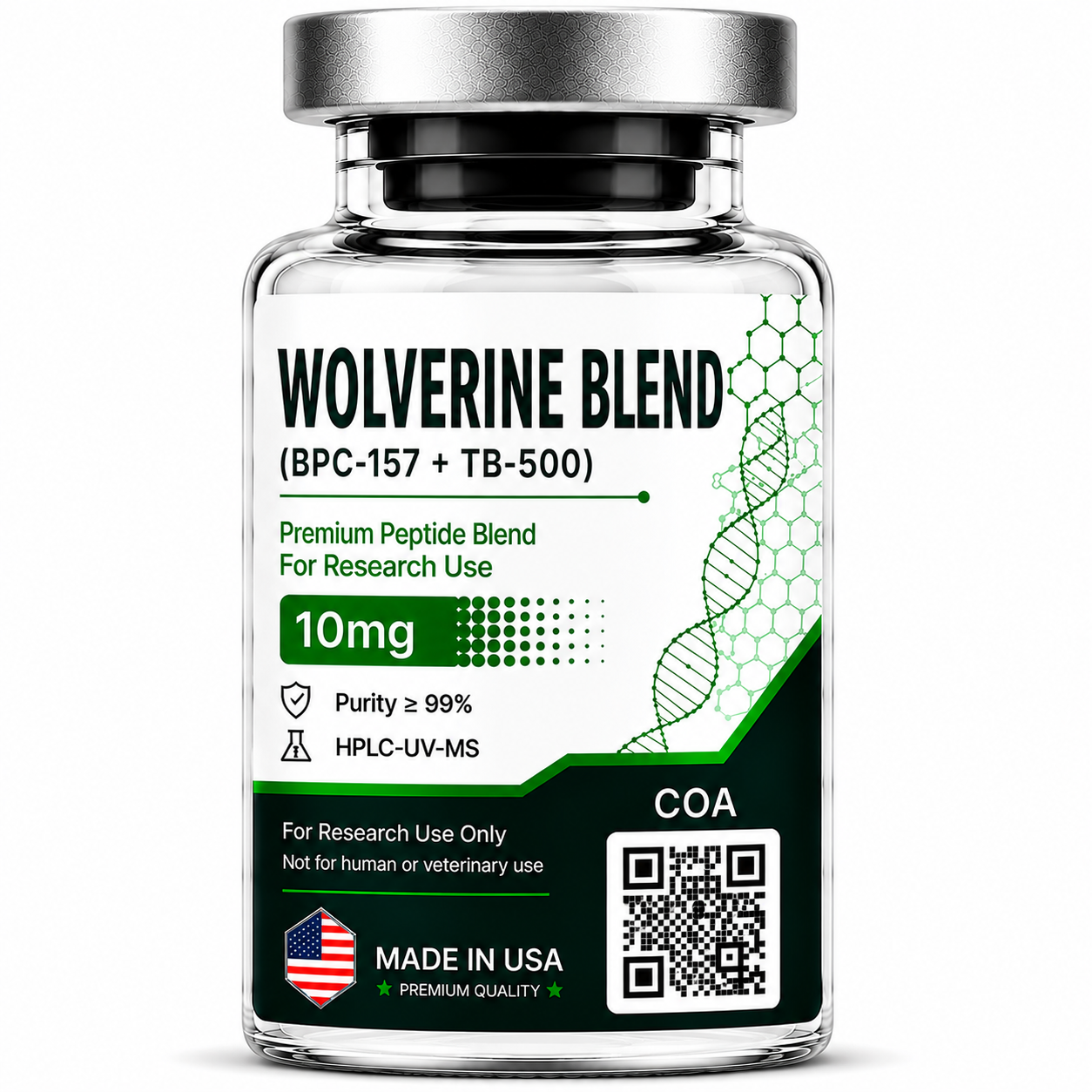
Wolverine Blend (BPC-157 + TB-500)
Wolverine Blend combines BPC-157 and TB-500 for high-synergy cellular repair and tendon recovery.
Metabolic & Weight Management
7 productsGLP-1/GIP receptor agonists, lipolytic peptide fragments, and mitochondrial metabolic regulators.
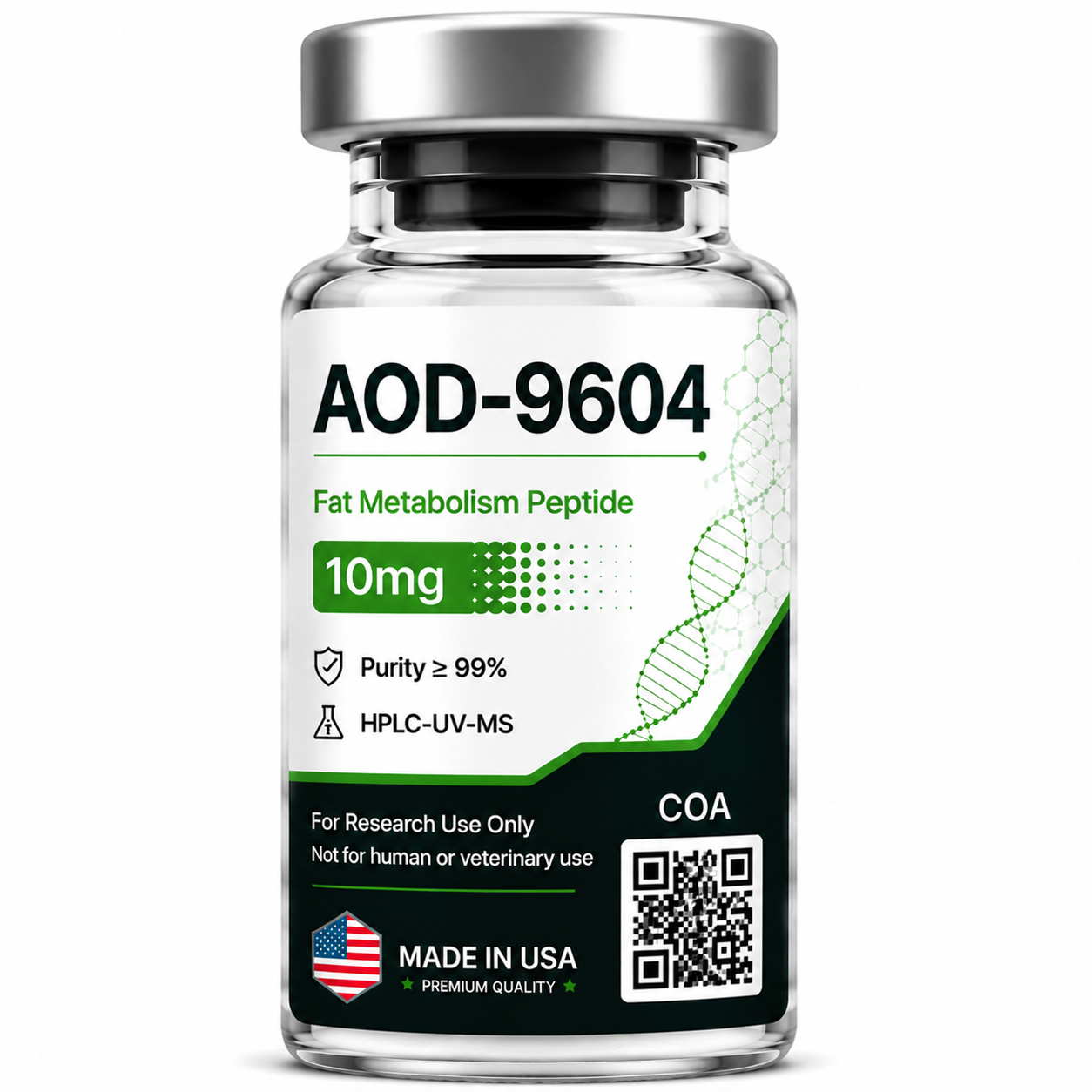
AOD-9604
Lipolytic C-terminal peptide fragment (177-191) of human Growth Hormone.
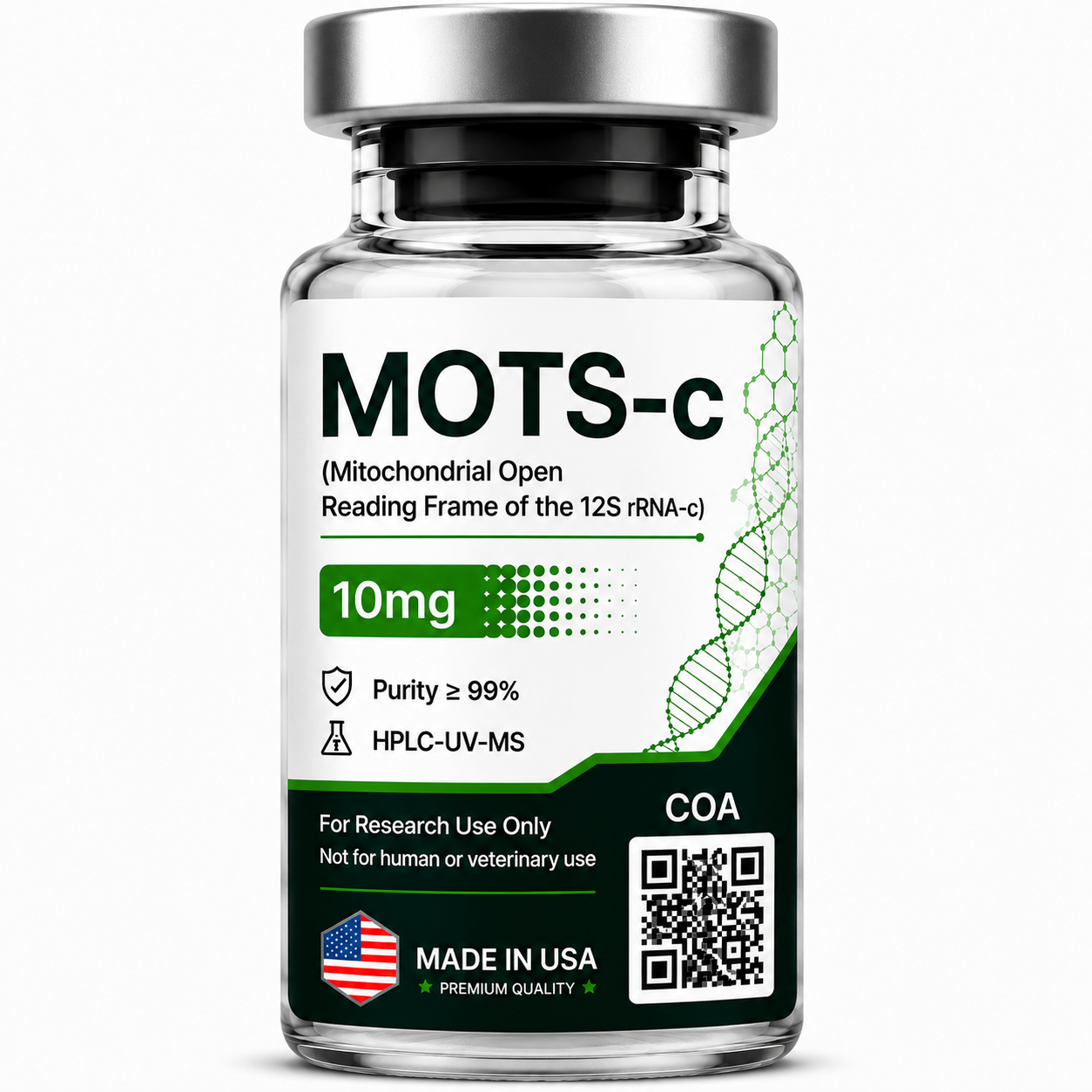
MOTS-c
Mitochondrial-derived 16-amino acid peptide regulating metabolic homeostasis.
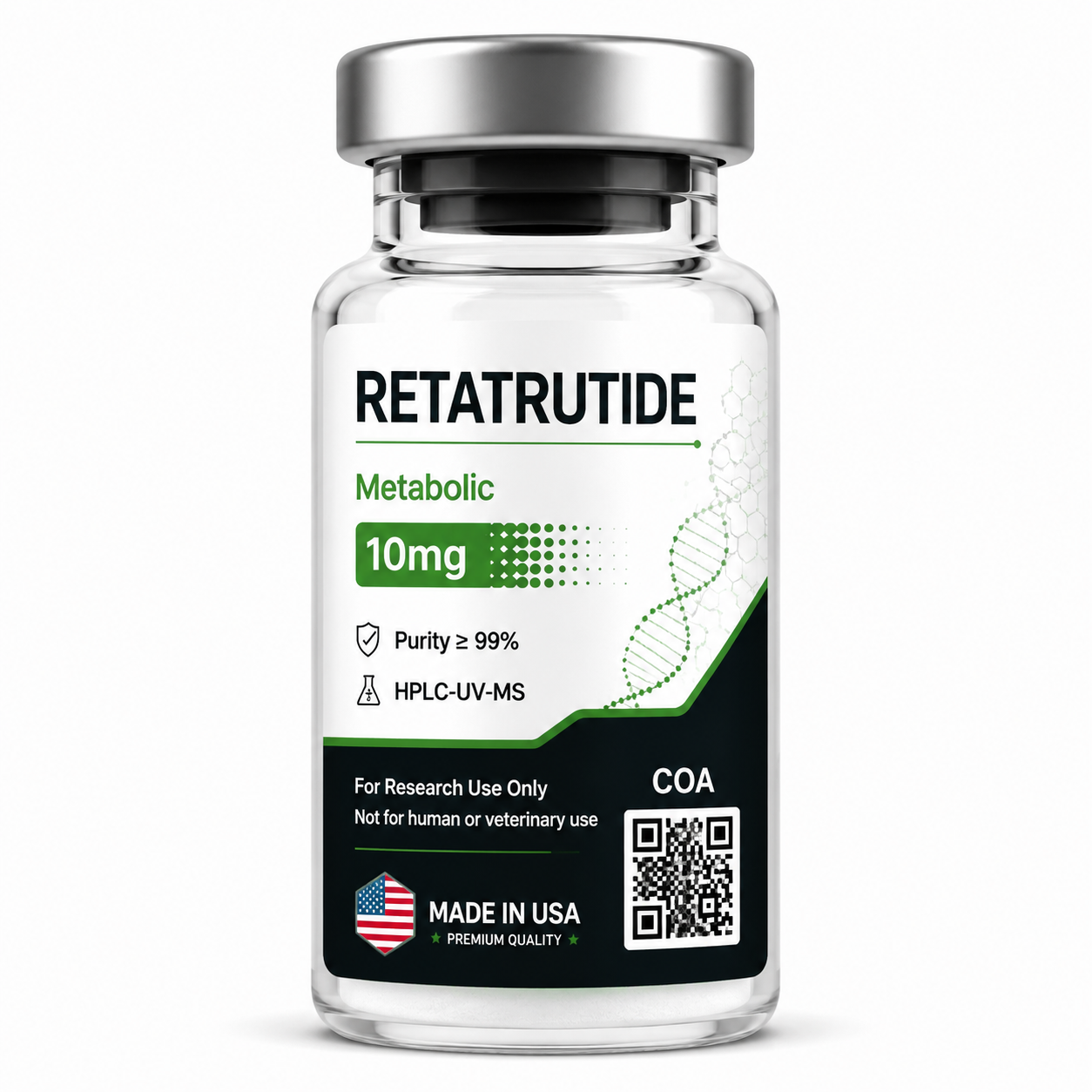
Retatrutide
Triple hormone receptor agonist (GLP-1, GIP, and glucagon receptors).
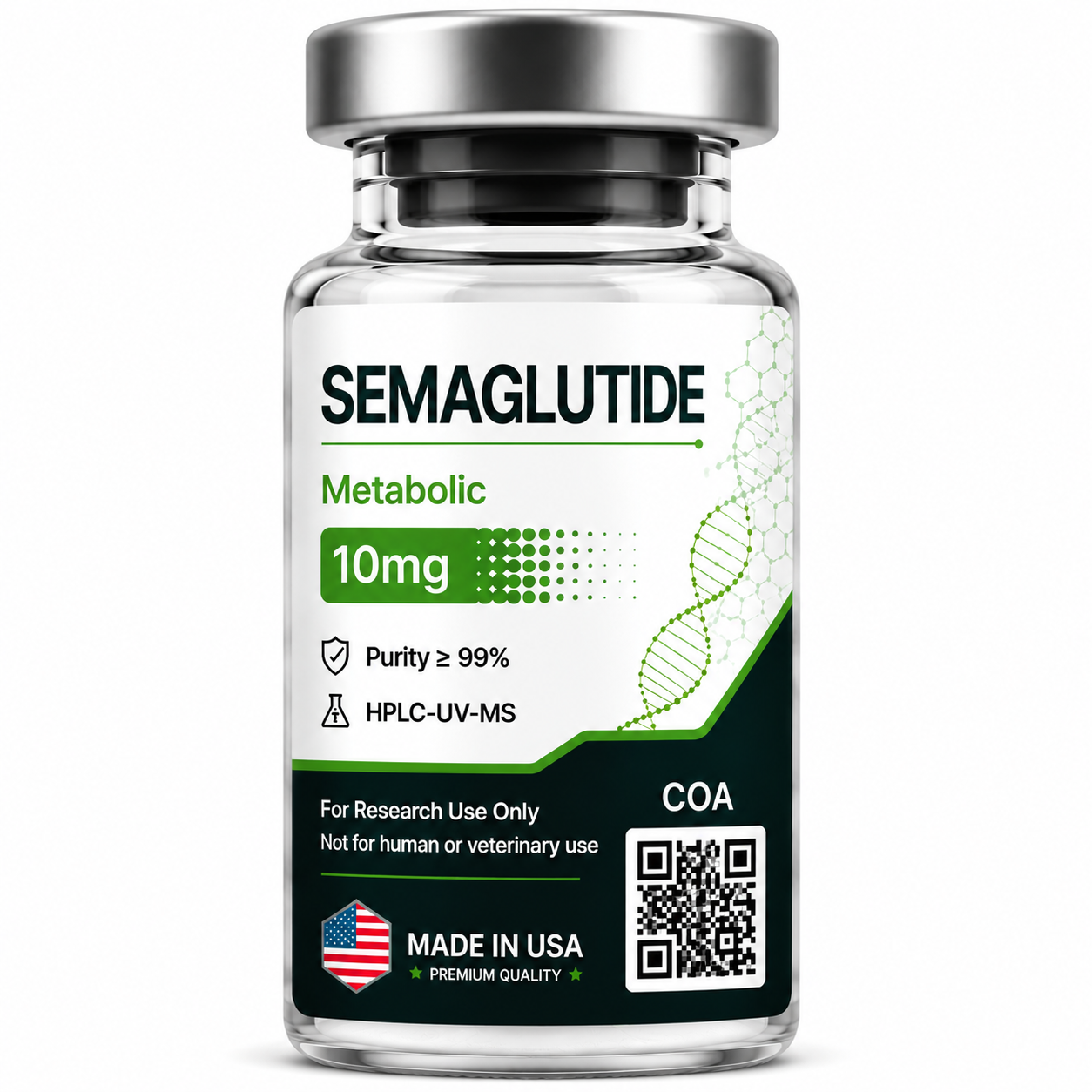
Semaglutide
Long-acting GLP-1 receptor agonist with albumin binding fatty acid chain.
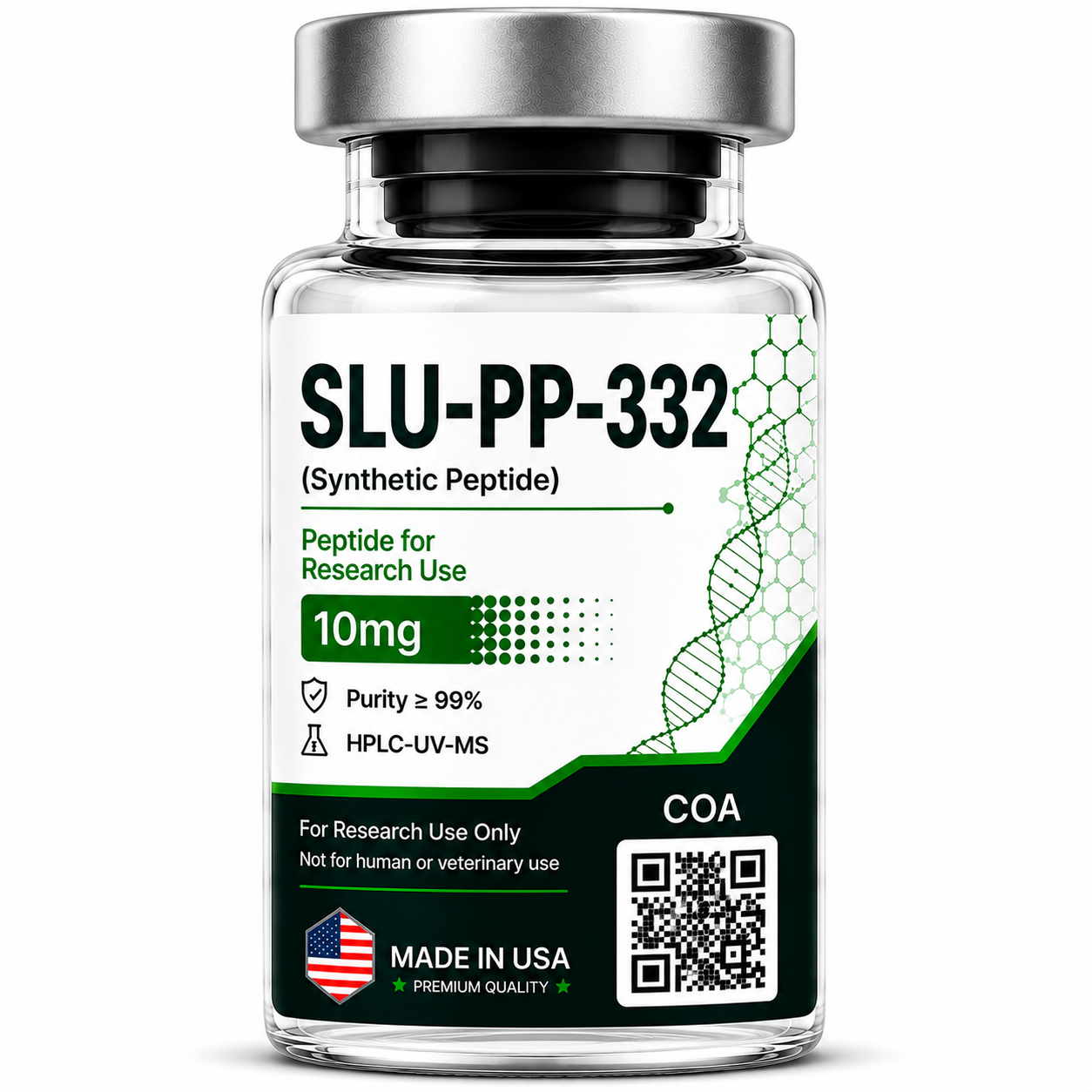
SLU-PP-332
SLU-PP-332 is a synthetic estrogen-related receptor agonist studied as an exercise mimetic for metabolism and endurance in preclinical models.
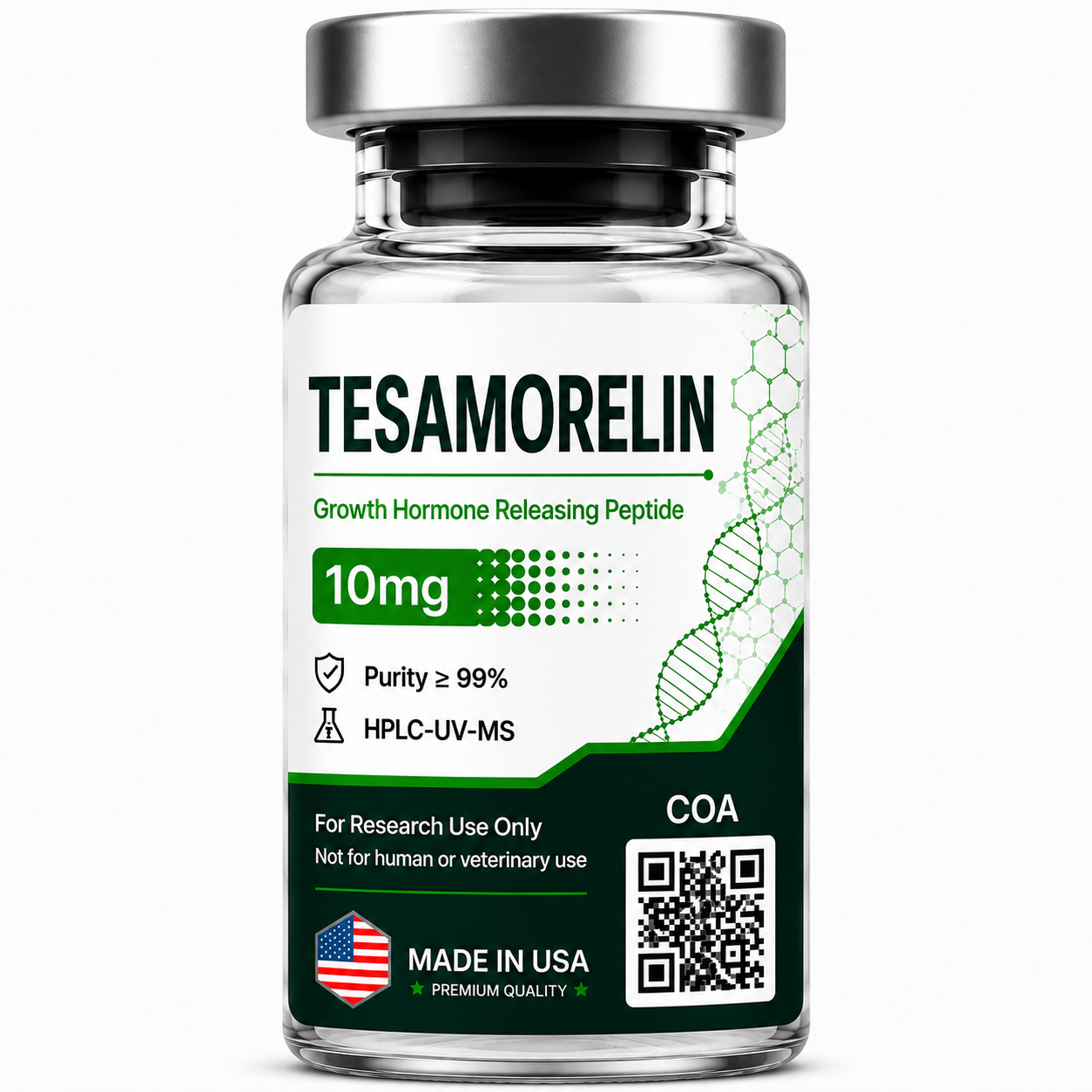
Tesamorelin
Stabilized trans-3-hexenoyl GHRH analog targeting visceral adipose tissue.
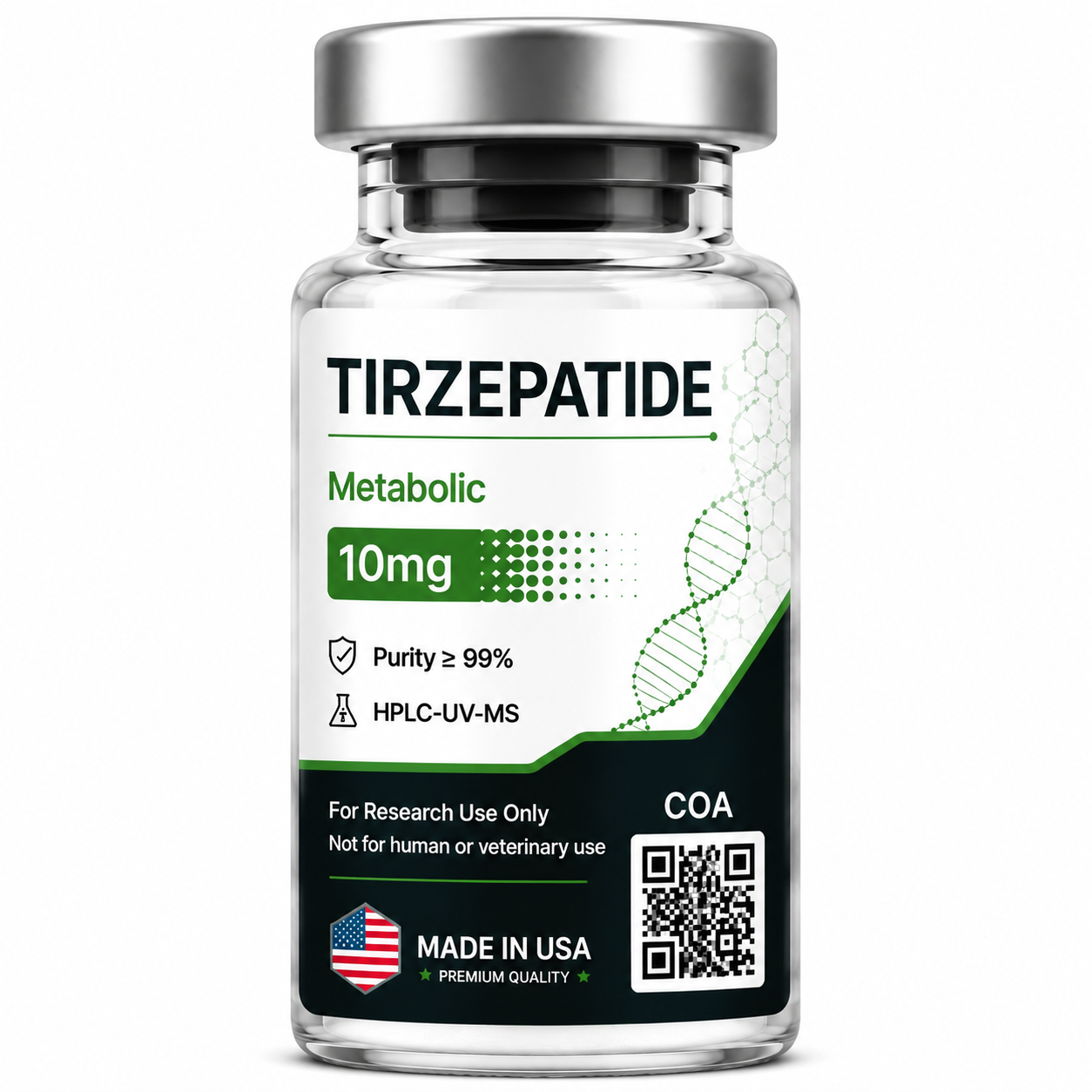
Tirzepatide
Dual GIP and GLP-1 receptor agonist.
Dermatology & Skin Health
3 productsCopper tripeptides and collagen-synthesis stimulators for skin, hair, and connective tissue.
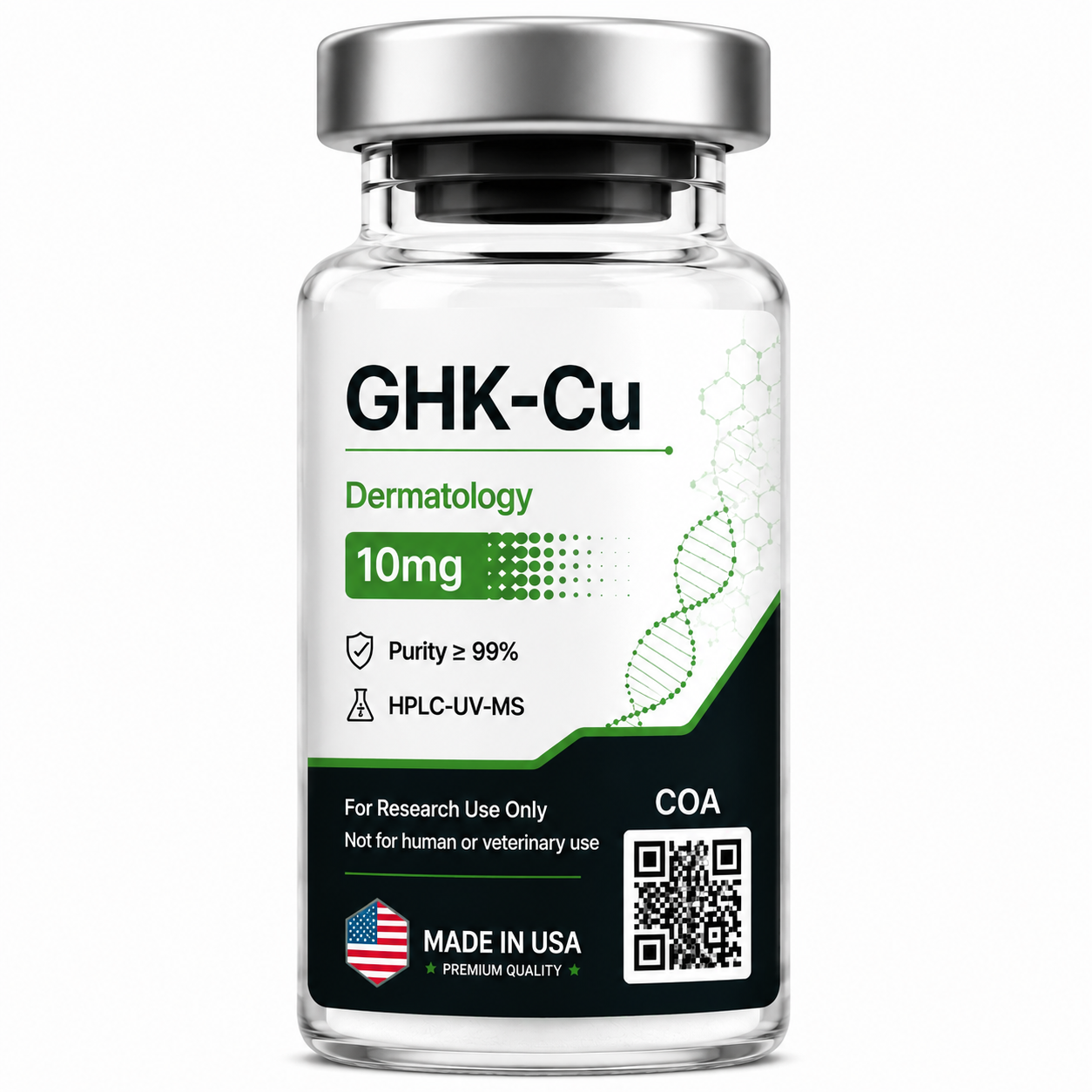
GHK-Cu
Copper-binding tripeptide found naturally in human plasma.
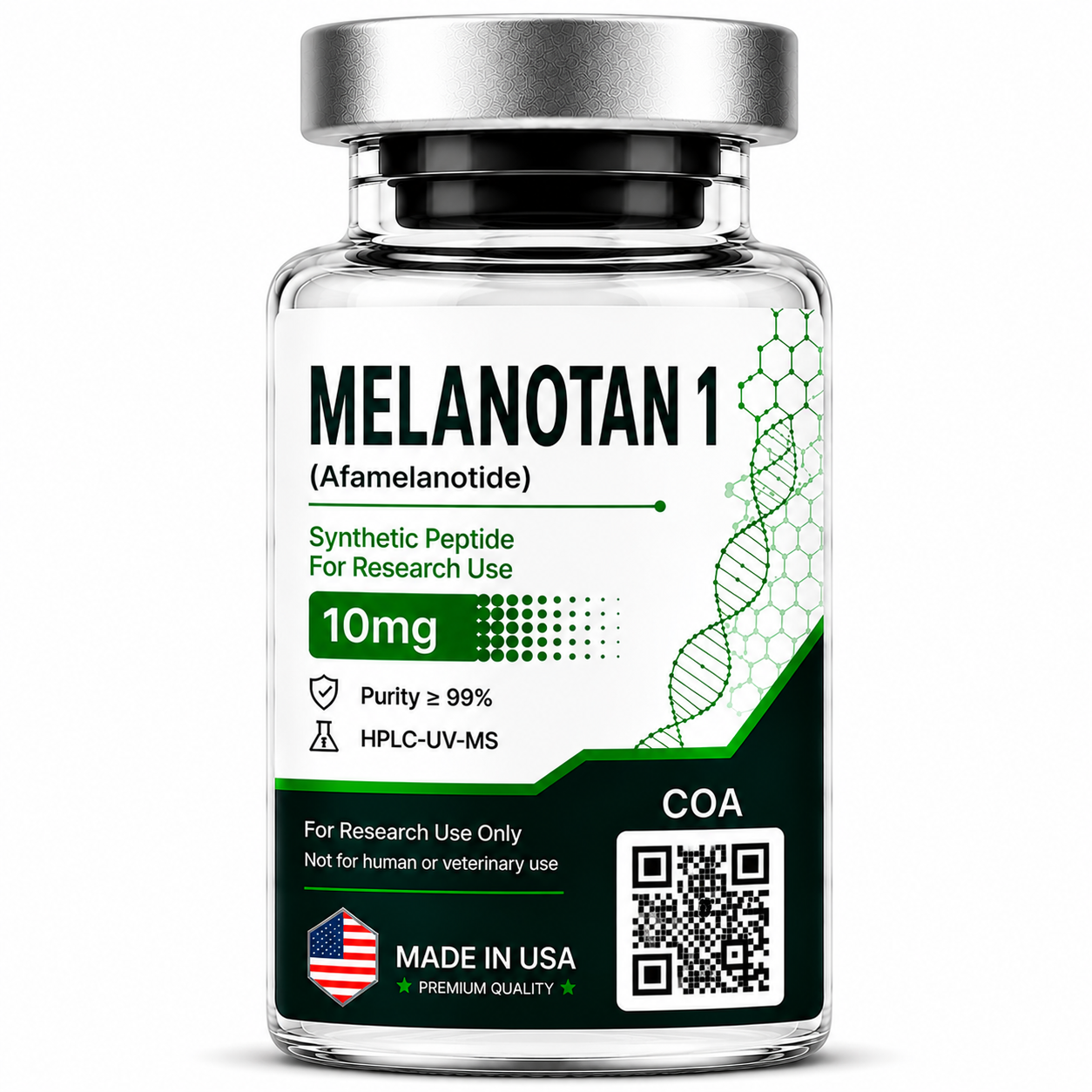
Melanotan 1 (Afamelanotide)
Melanotan 1 is a synthetic alpha-MSH analog studied for stimulating melanogenesis and UV photoprotection.
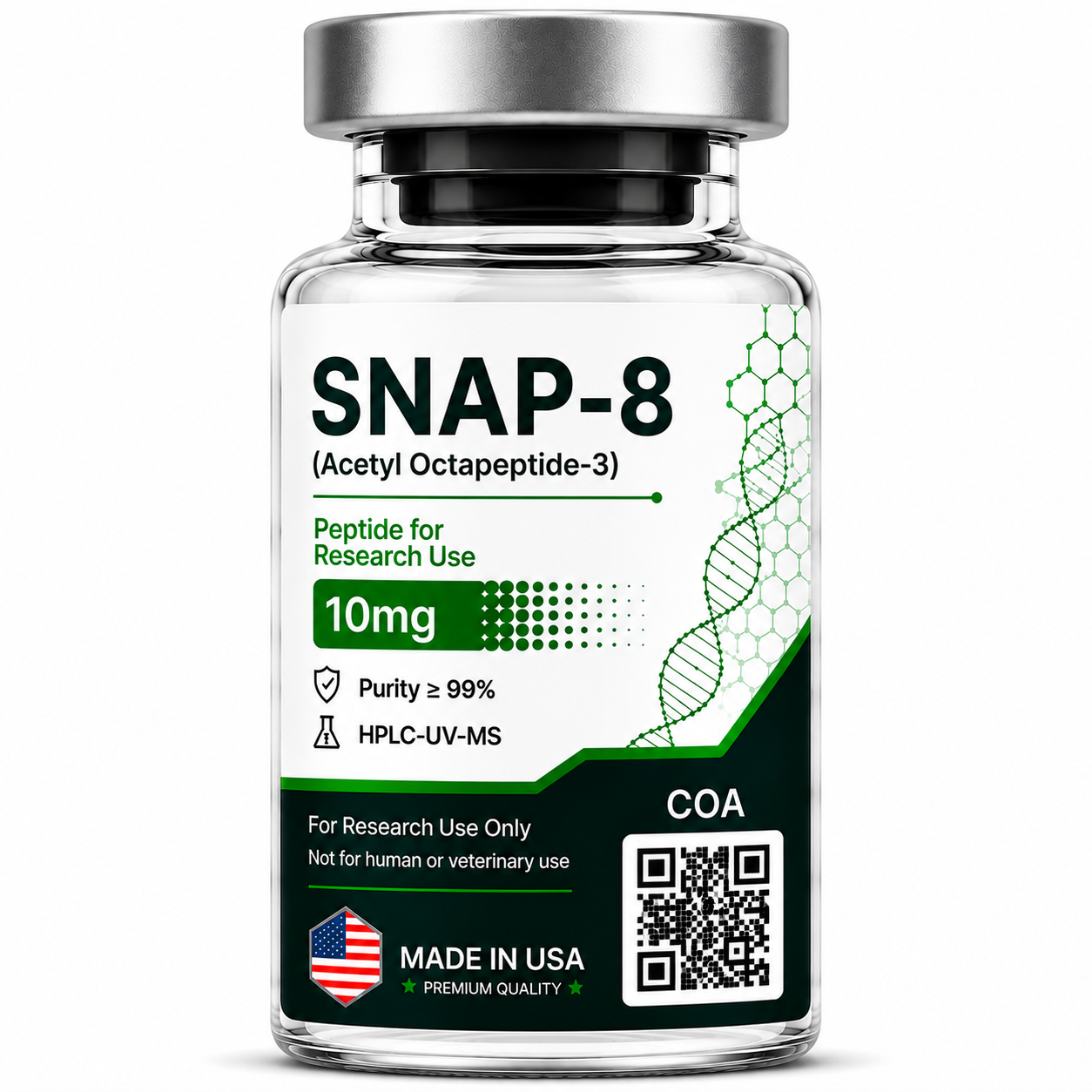
Snap-8 (Acetyl Octapeptide-3)
Snap-8 is a topical anti-wrinkle peptide studied as a needle-free alternative to botulinum toxin for reducing expression lines.
Cellular Longevity & Anti-Aging
2 productsCellular coenzymes, telomerase expression activators, and mitochondrial longevity peptides.
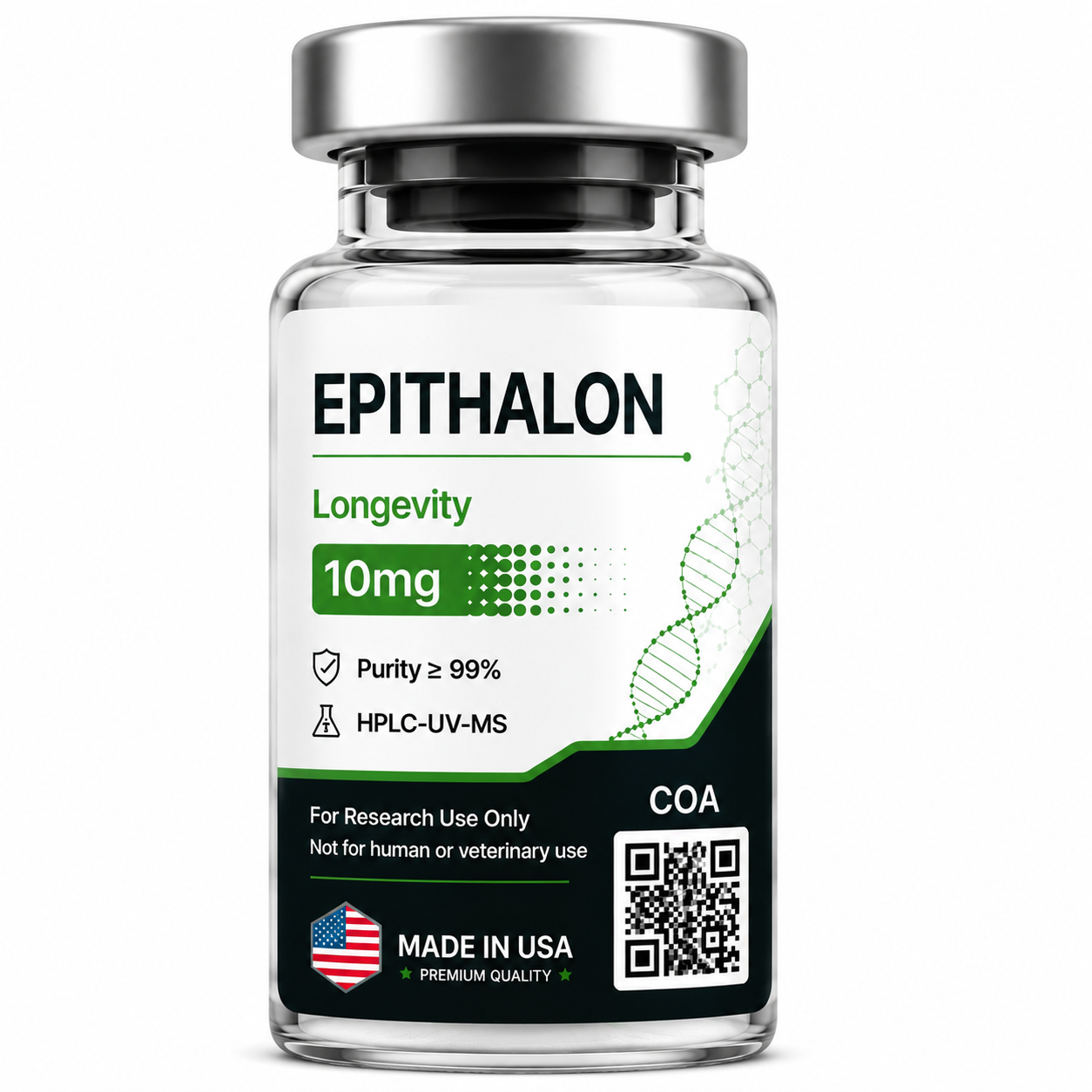
Epithalon
Synthetic tetrapeptide (Ala-Glu-Asp-Gly) pineal gland regulator.
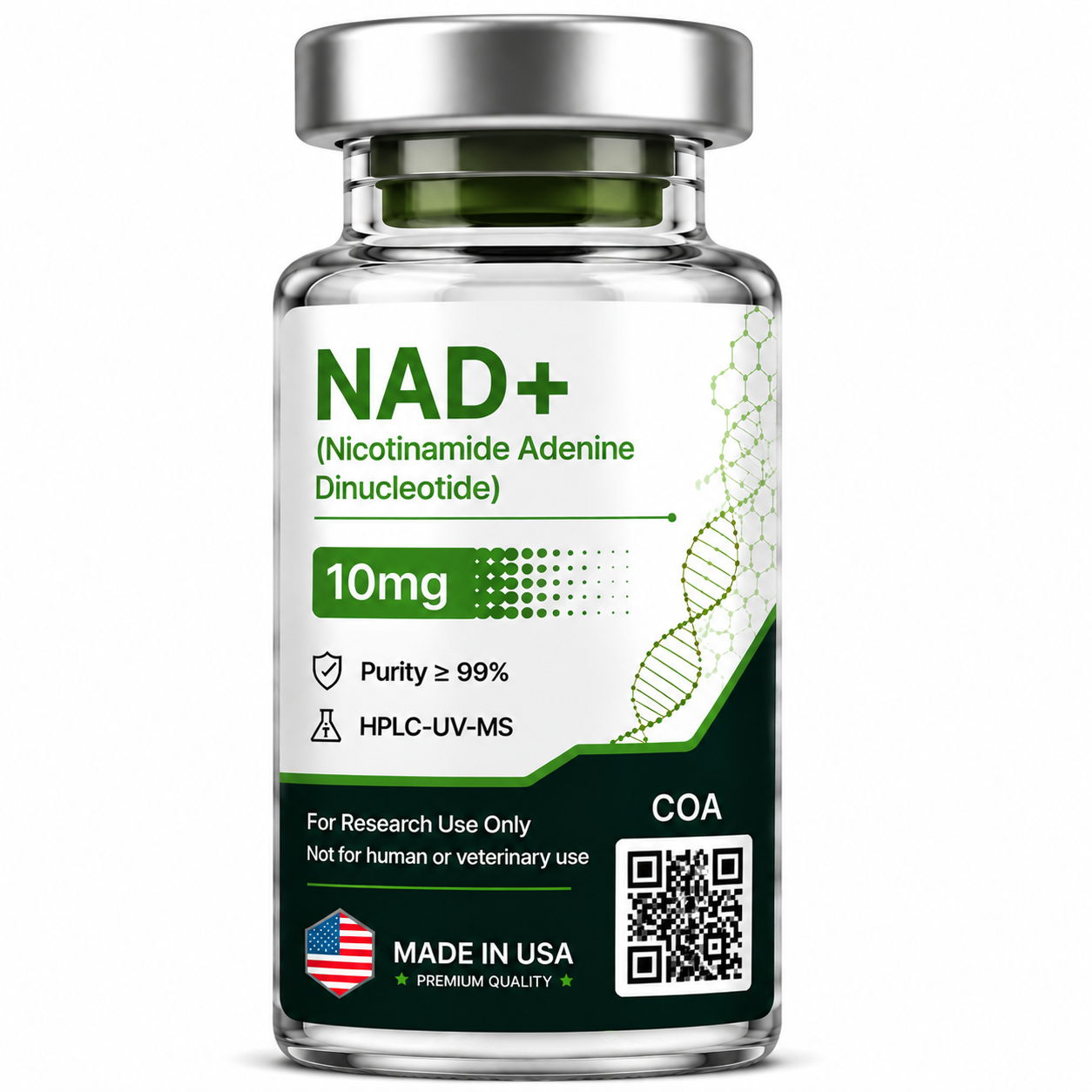
NAD+ (Nicotinamide Adenine Dinucleotide)
Essential cellular coenzyme for mitochondrial ATP production and SIRT activation.
Growth Hormone Secretagogues & Muscle
7 productsGHRH analogs, ghrelin secretagogue receptor agonists, and anabolic signaling complexes.
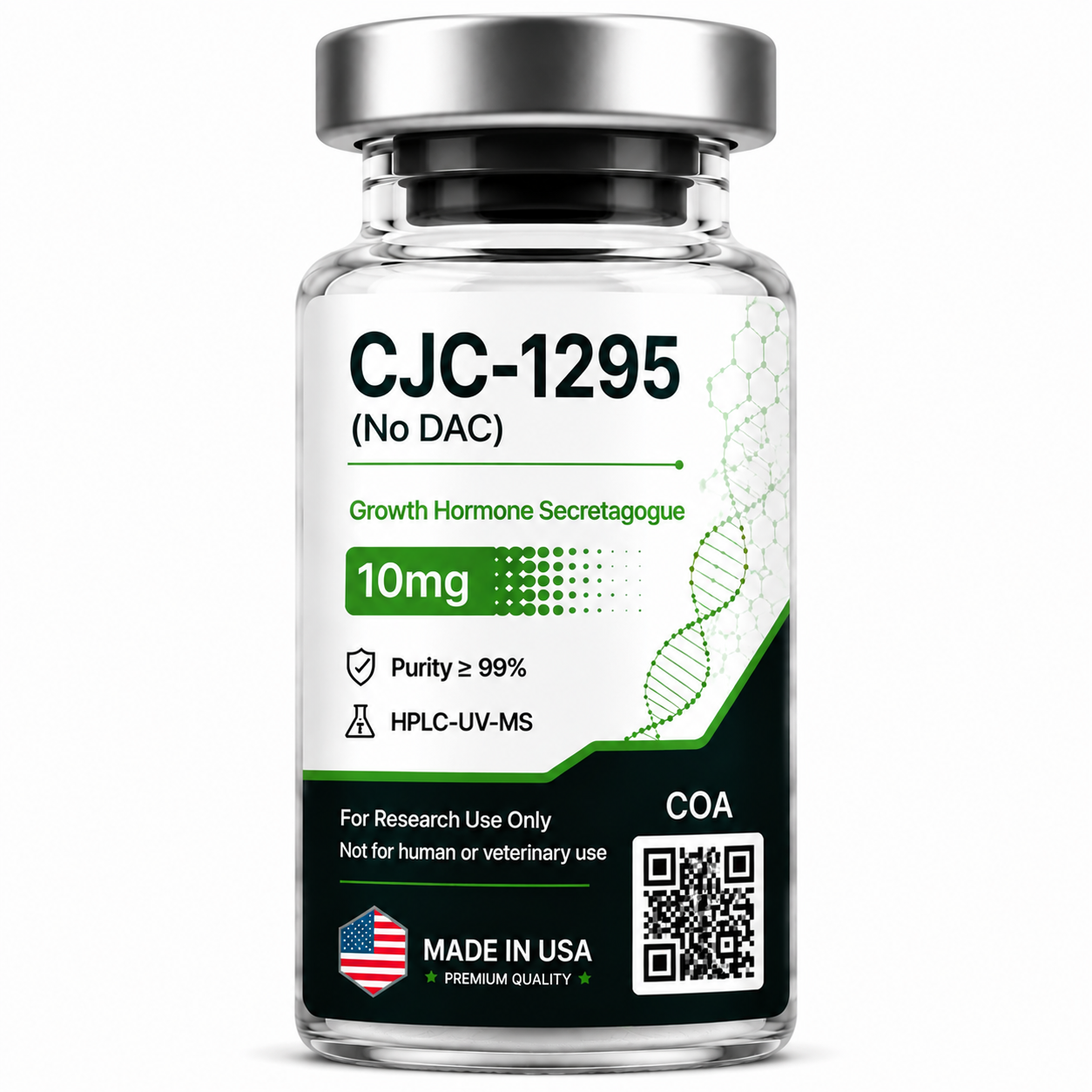
CJC-1295 (No DAC)
Tetrasubstituted 29-amino acid growth hormone releasing hormone (GHRH) analog.
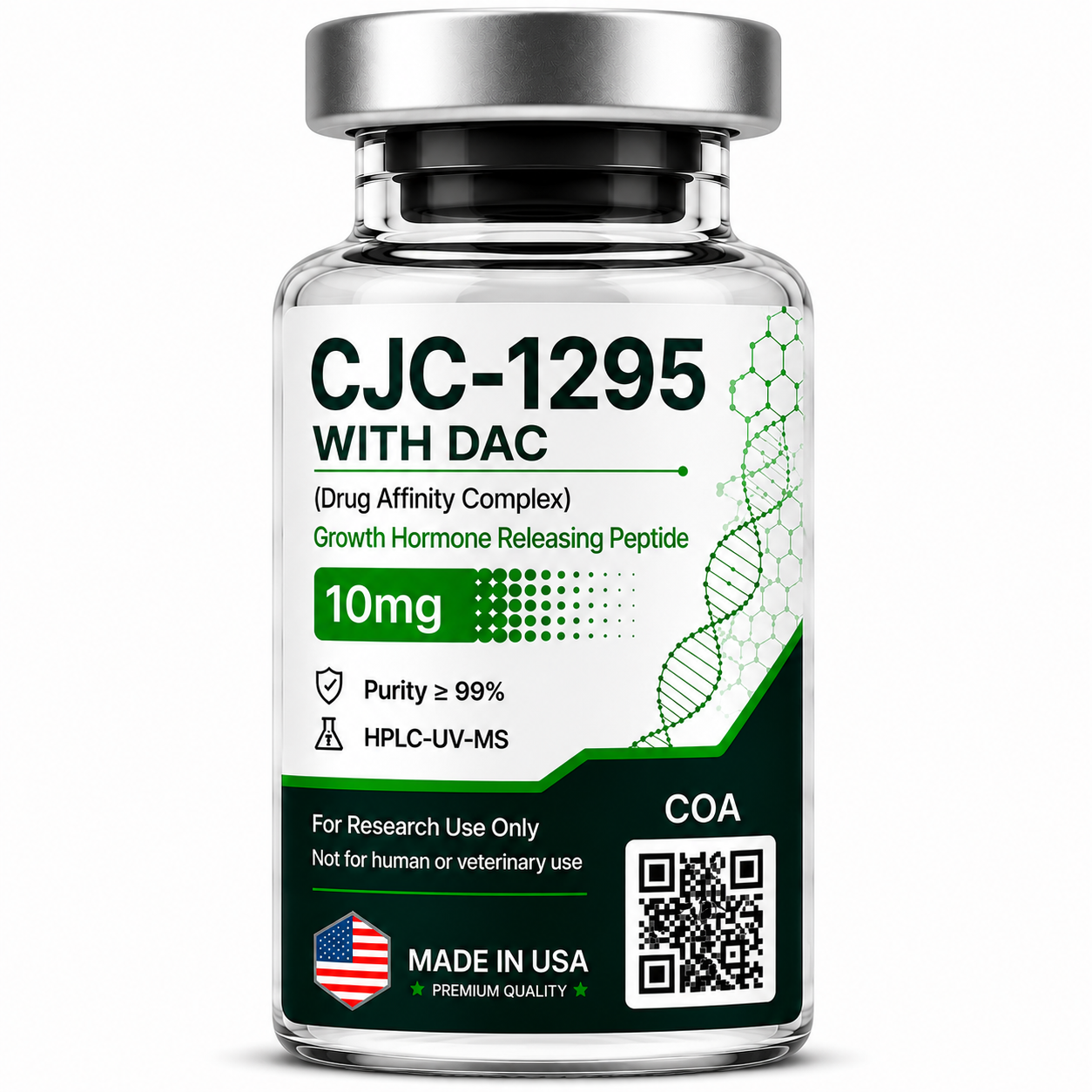
CJC-1295 with DAC
Tetrasubstituted GHRH analog with Drug Affinity Complex for extended half-life.
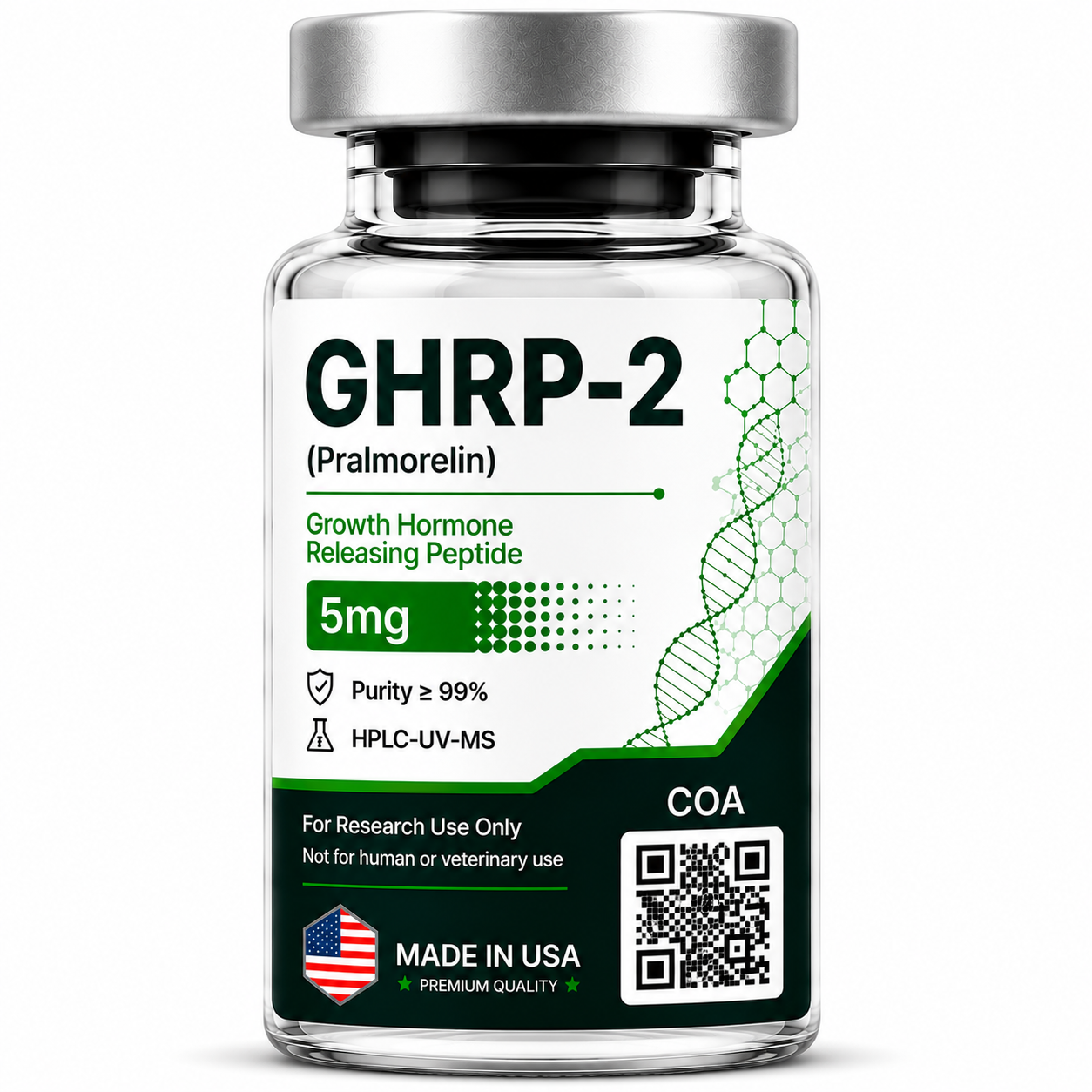
GHRP-2 (Pralmorelin)
Synthetic hexapeptide growth hormone secretagogue acting via ghrelin receptor.
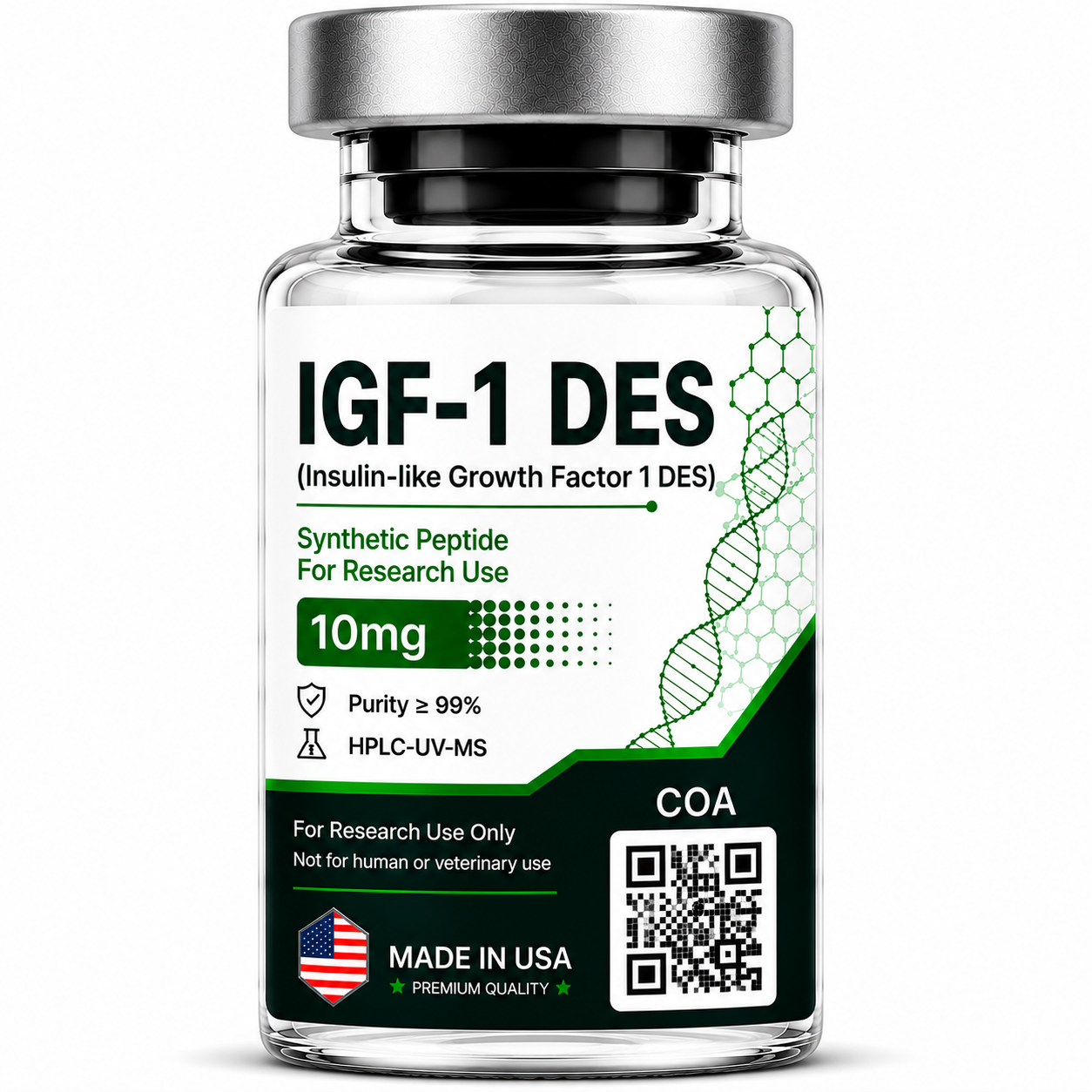
IGF-1 DES
IGF-1 DES is a truncated IGF-1 analog studied for IGF-1 receptor signaling and cell-proliferation models.
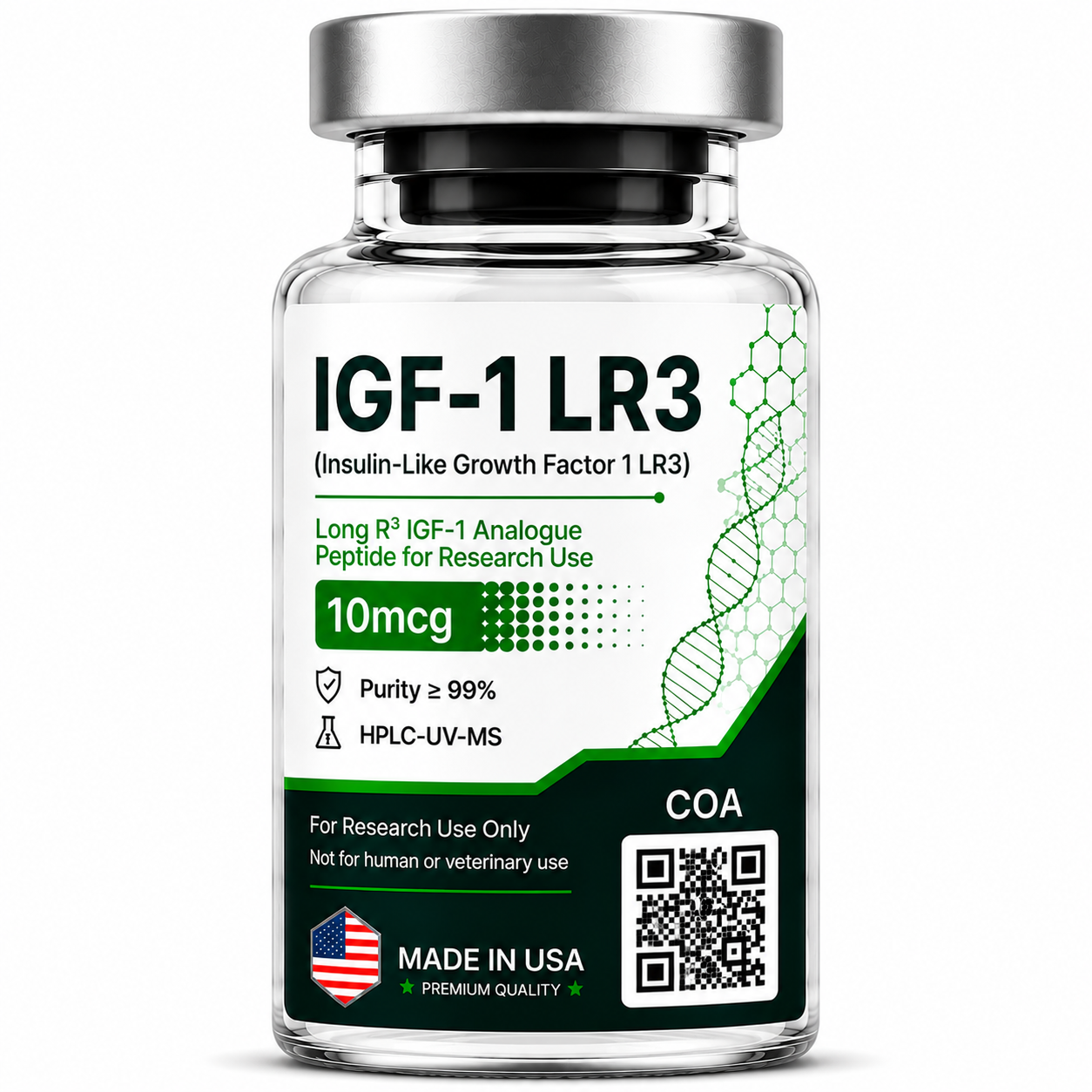
IGF-1 LR3
IGF-1 LR3 is a long-acting analog of insulin-like growth factor 1 studied for cell growth, proliferation, and muscle tissue in research settings.
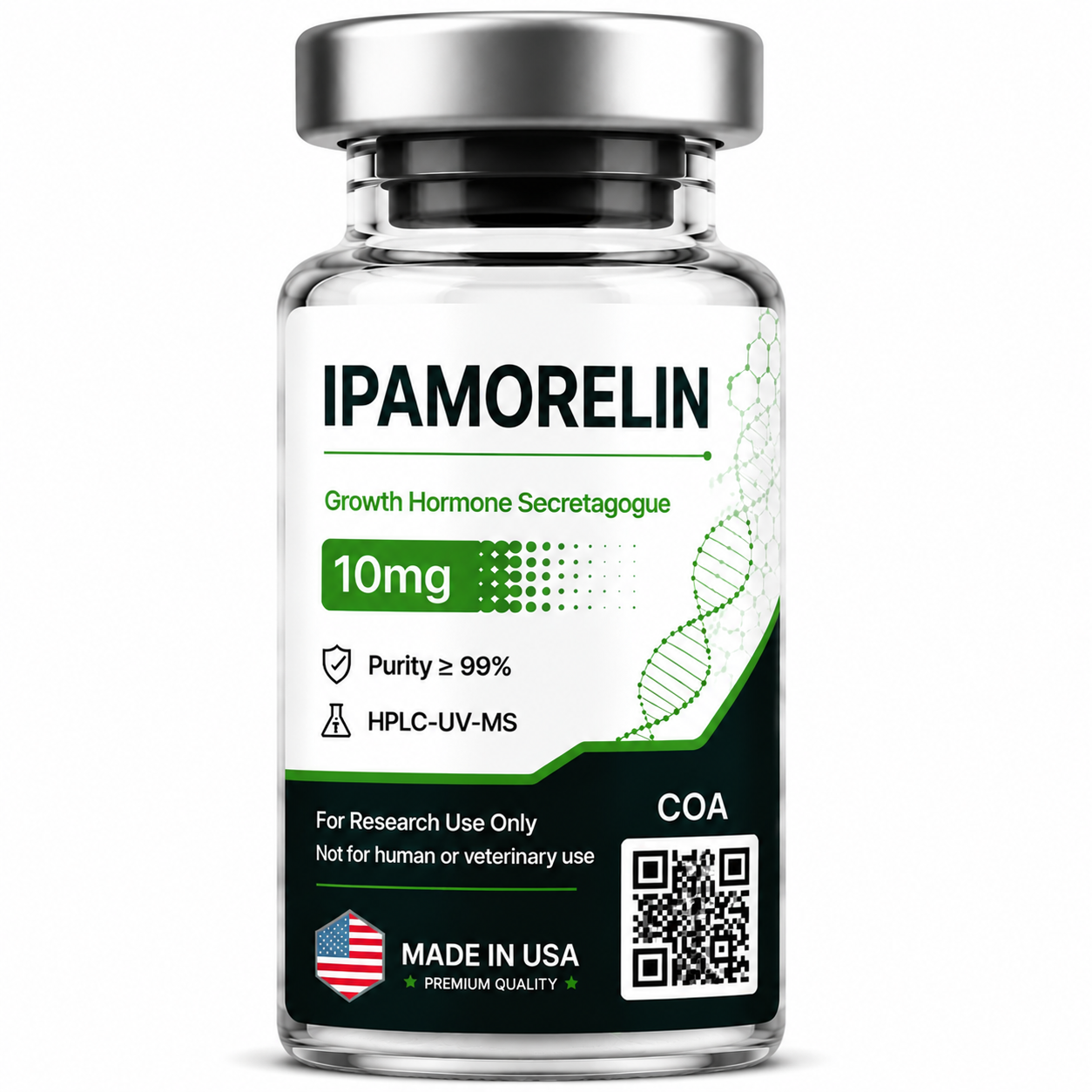
Ipamorelin
Selective pentapeptide growth hormone secretagogue and ghrelin receptor agonist.
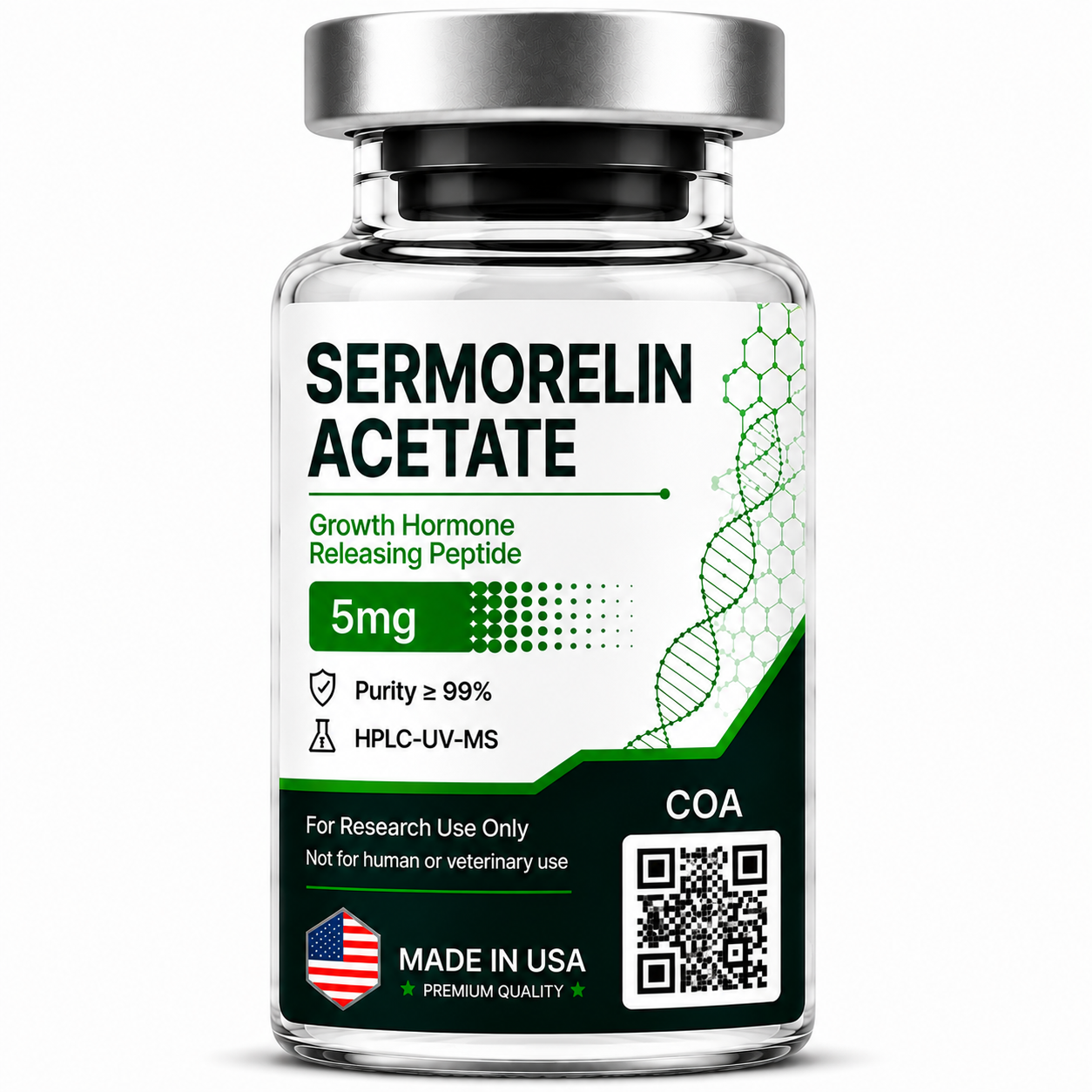
Sermorelin Acetate
Bio-identical 29-amino acid amino-terminal segment of human GHRH (1-29).
Specialty & Experimental Biomarkers
2 productsMelanocortin receptor ligands and novel research compounds.
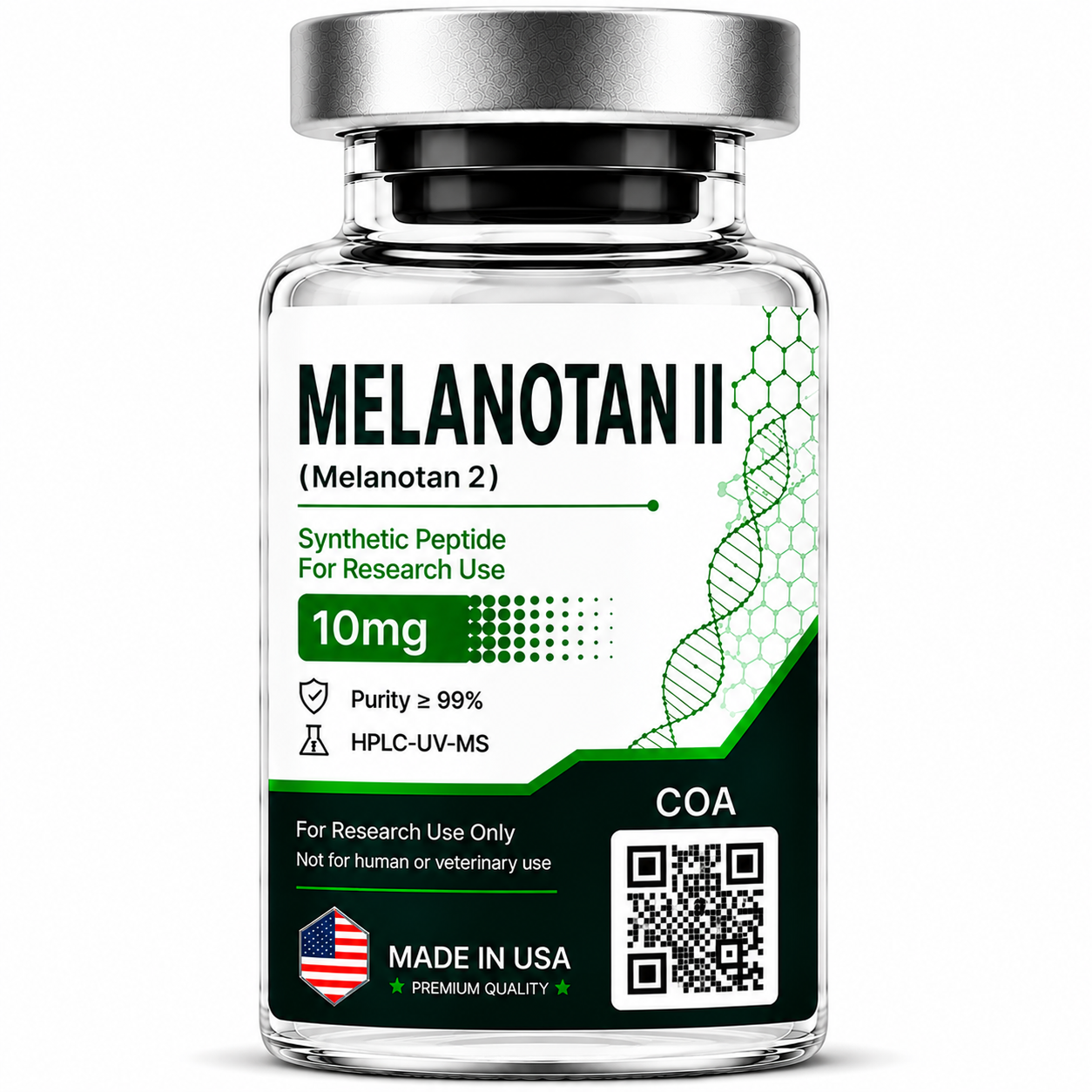
Melanotan II
Synthetic cyclic heptapeptide melanocortin receptor agonist.
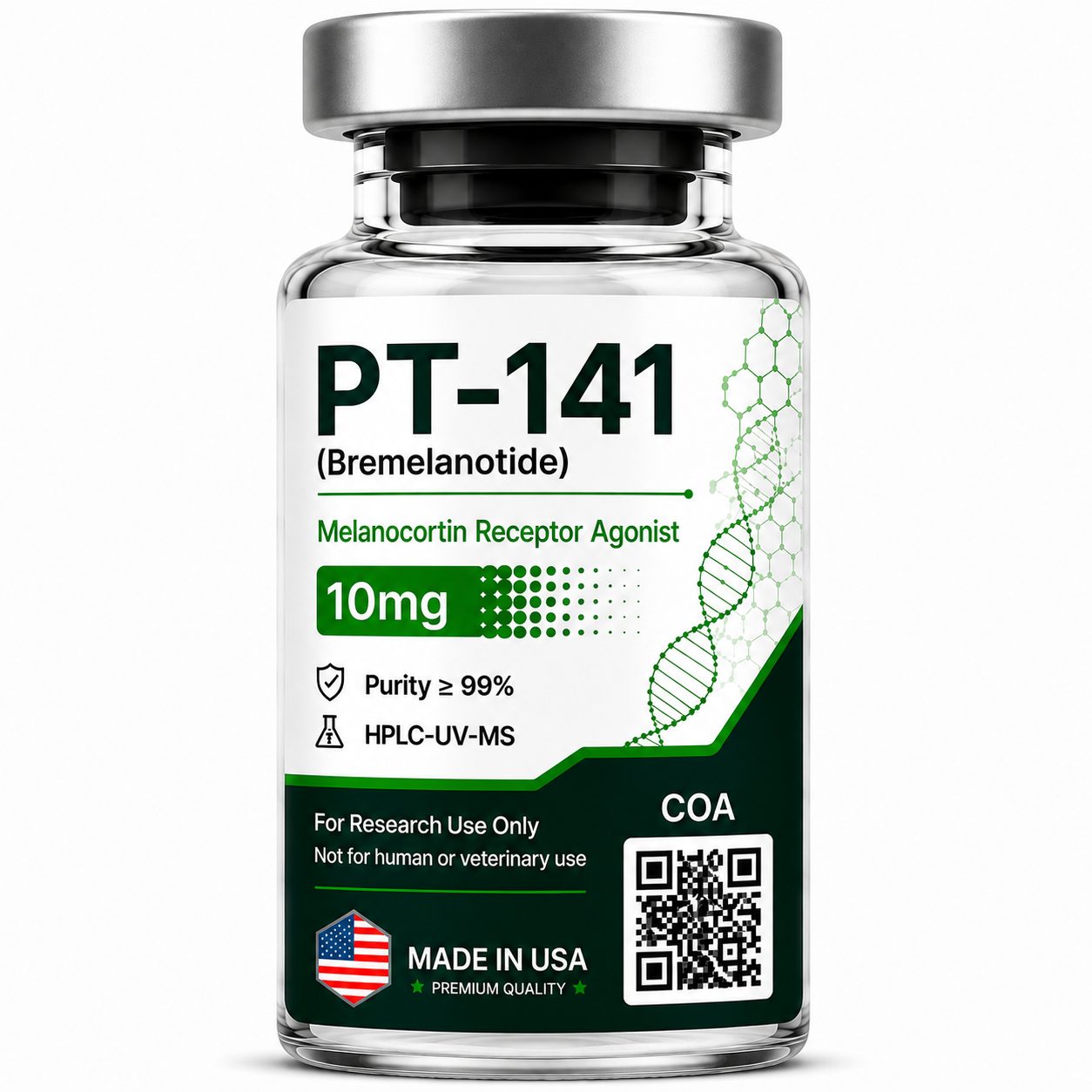
PT-141 (Bremelanotide)
Cyclic heptapeptide melanocortin MC3R/MC4R receptor agonist.
Cognitive & Nootropics
4 productsBDNF expression catalysts, hippocampal neuroprotectors, and memory consolidators.
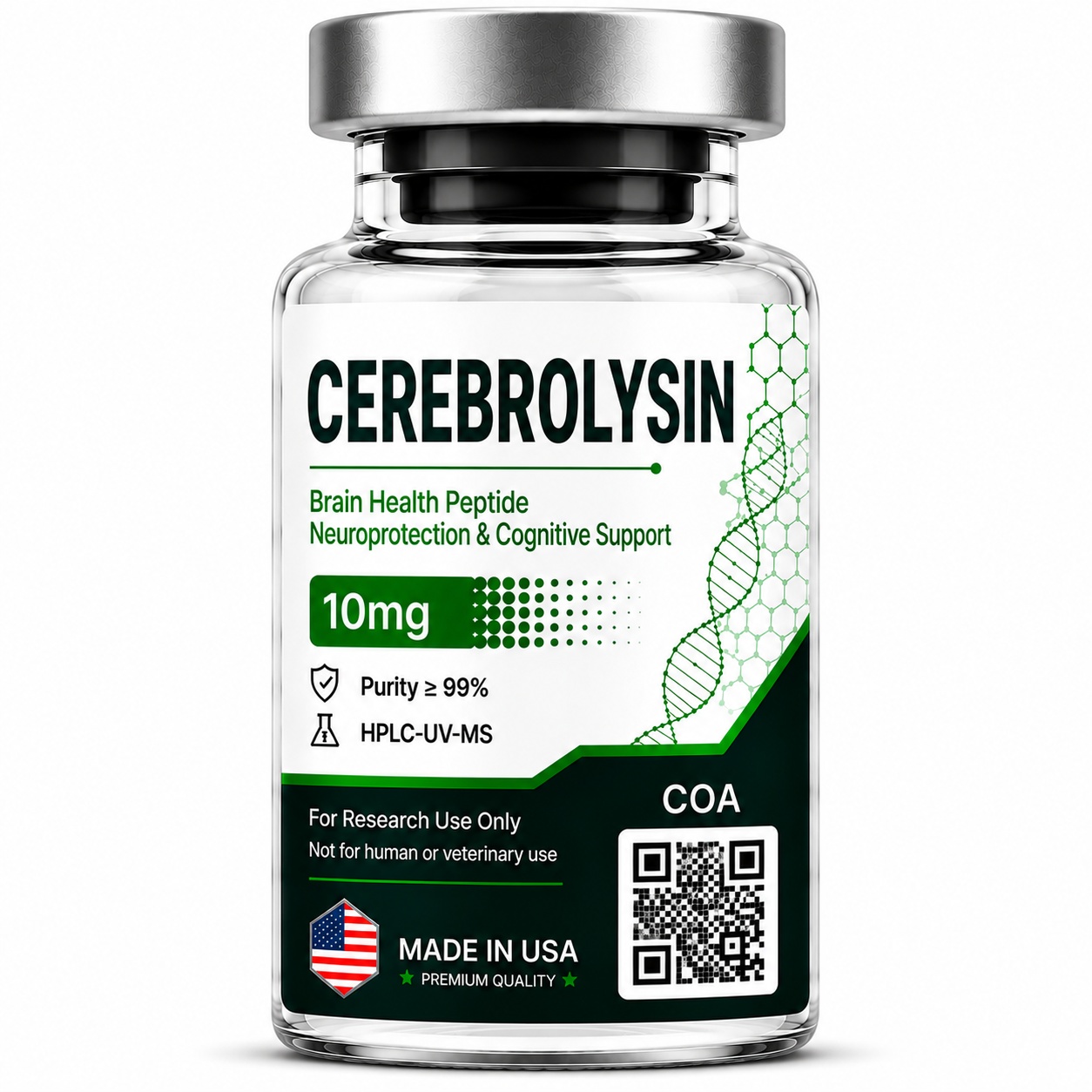
Cerebrolysin
Cerebrolysin is a peptide preparation studied for neuroprotective and neurotrophic effects in cognitive and stroke models.
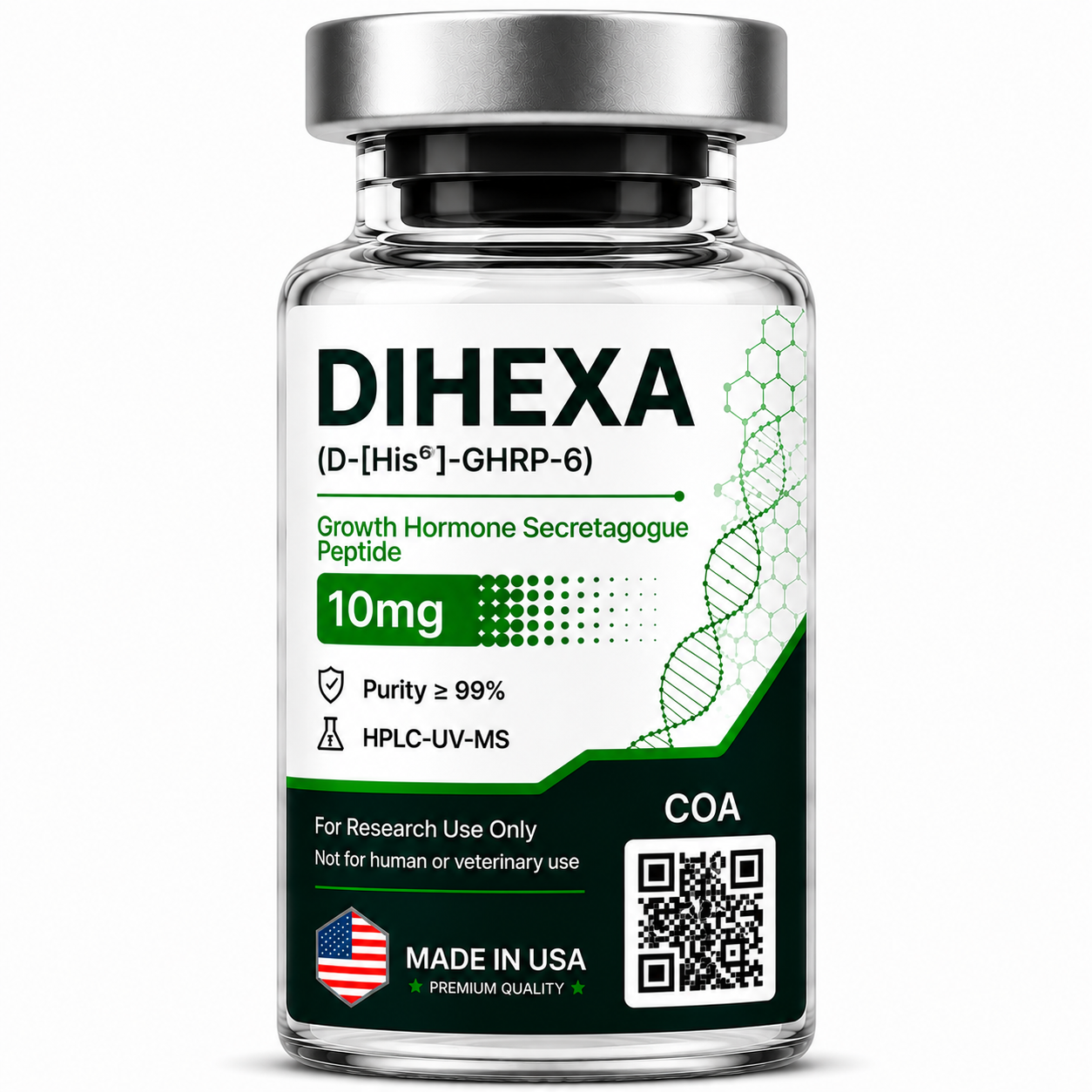
Dihexa
Oligopeptide drug candidate for synaptogenesis and cognitive enhancement.
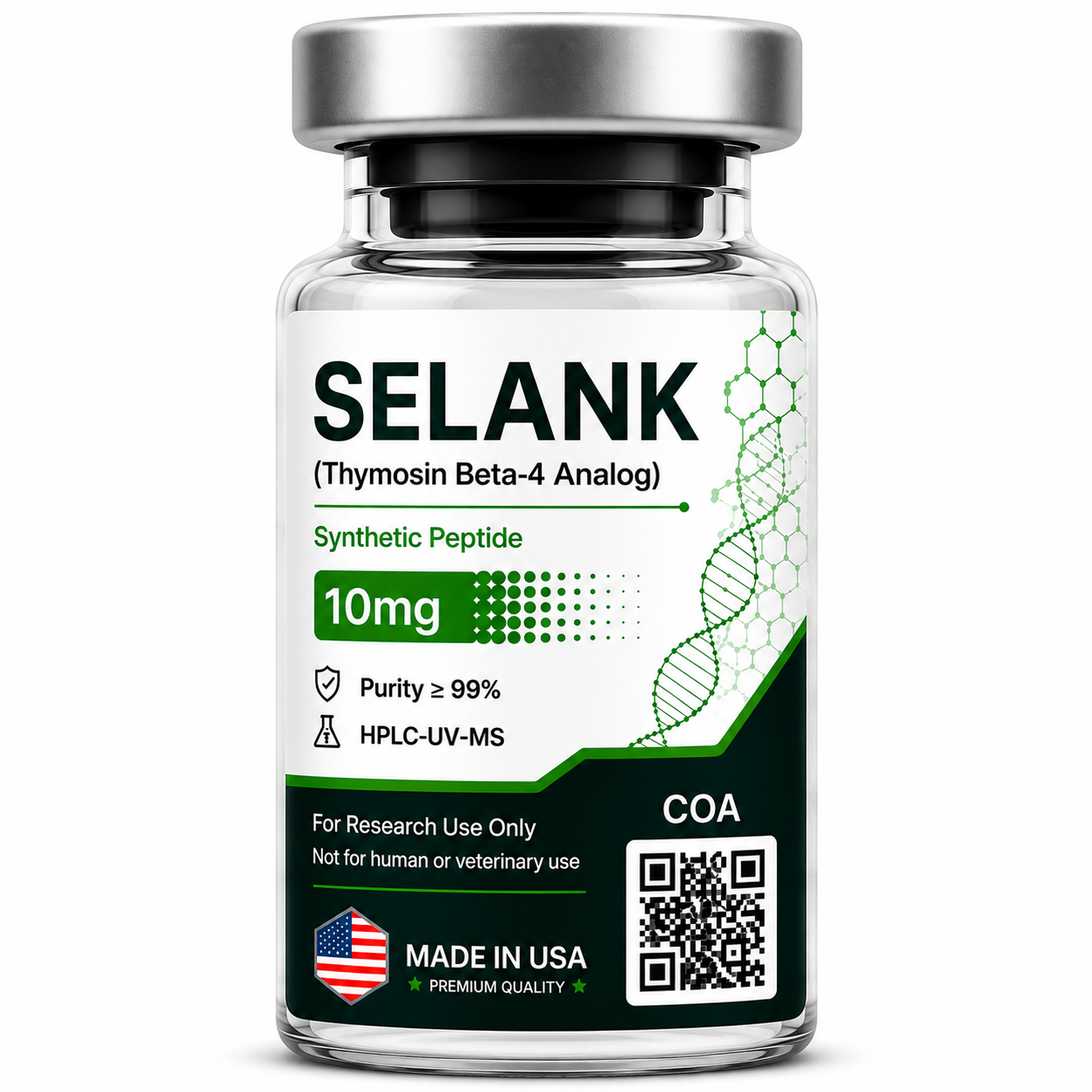
Selank
Synthetic regulatory heptapeptide analog of human Tuftsin.
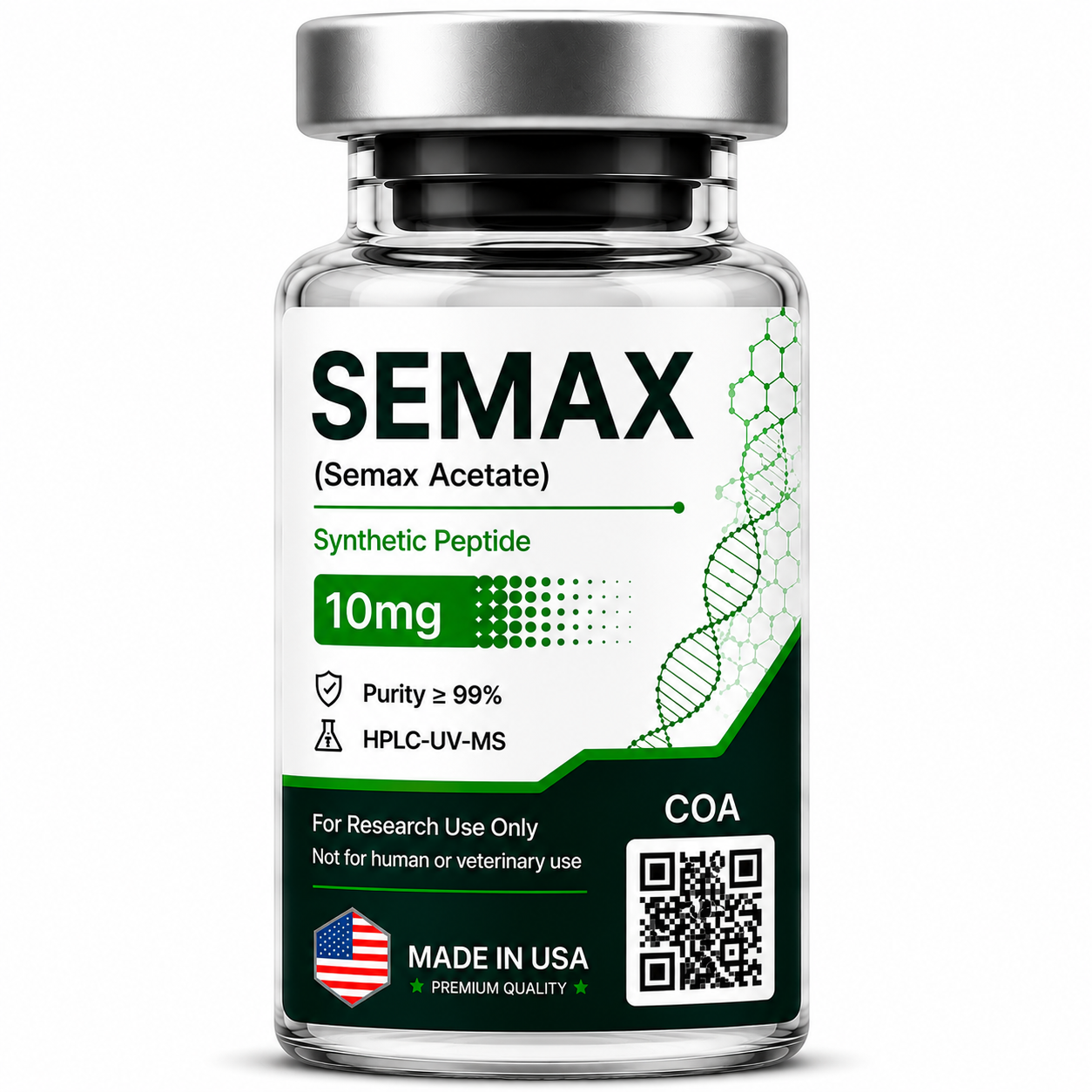
Semax
Nootropic heptapeptide derivative of ACTH (4-10) with Pro-Gly-Pro C-terminus.
Immune Support
1 productsThymic peptides and immunomodulatory compounds for immune system regulation.
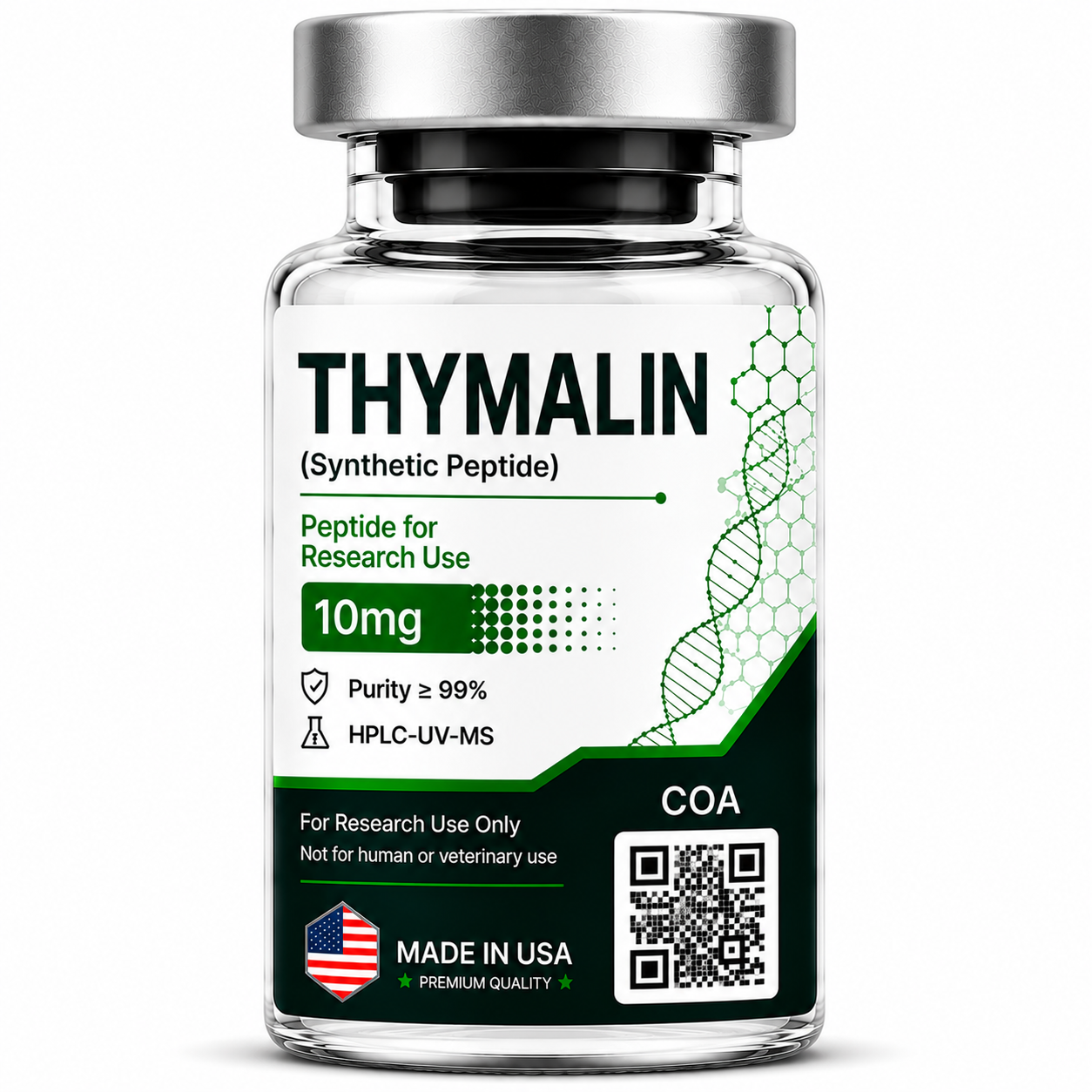
Thymalin
Thymalin is a thymus-derived peptide complex studied for immune regulation and geroprotective effects.
Significant reduction in body fat index observed across 48 weeks.
Retatrutide Analysis
Retatrutide represents the forefront of metabolic research. Functioning as a GIP/GLP-1/GCGR tri-agonist, current research data suggests it may offer potent weight reduction and glycemic control efficacy.
This profile synthesizes over 12 peer-reviewed clinical studies and provides the complete pharmacokinetic breakdown of the molecule's interaction with human metabolic receptors.
Scientific Comparison
Objective side-by-side benchmarking between therapeutic analogs. Click any comparison below to launch the detailed comparative popup dossier.
Retatrutide vs Tirzepatide
Triple-agonist (GIP/GLP-1/GCG) vs Dual-agonist (GIP/GLP-1) benchmark.
BPC-157 vs TB-500
Systemic tissue repair vs localized connective matrix regeneration.
CJC-1295 vs Sermorelin
Extended plasma half-life vs physiological pulsatile GH release.
Quality Verification Guide
Learn how to read HPLC (High-Performance Liquid Chromatography) and Mass Spectrometry reports to ensure chemical purity and peptide identity.
Educational Resources
In-depth documentation, regulatory guides, and chemical synthesis basics.
What is a Peptide?
Comprehensive biological overview examining covalent amide bond geometry, chain-length classification boundaries, secondary structural folding, and Merrifield Solid-Phase Synthesis chemical mechanics.
Safety & Storage Guide
Comprehensive protocols for handling lyophilized peptide cakes, reconstitution solvent selection, temperature maintenance, and preventing chemical oxidation or mechanical denaturing.
Research-Use Framework
Detailed analysis of FDA, EMA, and REACH regulatory boundaries, Laboratory Research Use Only (RUO) classification, CoA verification standards, and chemical hygiene compliance.
Pharmacokinetics 101
Advanced quantitative modeling of peptide Absorption, Distribution, Metabolism, and Excretion (ADME), clearance equations, half-life extension engineering, and receptor binding kinetics.
Our Editorial Rigor
Every profile on the Peptide Intelligence Platform is vetted by biochemical scientists and verified against the latest peer-reviewed literature. We maintain strict independence from manufacturers to provide objective data.
Peer Reviewed
Practitioner reviewed by industry experts
Data Driven
Synthesis of clinical trial data from over 200 trials
Ethical Framework
Strict research-only information standards
Live Updates
Real-time updates as new clinical trials release
Scientific Intelligence. In your inbox.
Get the monthly digest of the latest peptide research, clinical trial updates, and analytical reports.

Frequently Asked Questions
Ready to Advance Your Research?
Access the world's most comprehensive, peer-reviewed peptide intelligence database today.